Understanding the pros & cons of self-contained refrigeration units is essential for restaurants, grocery stores, convenience stores, bars, and food service operators evaluating their cold storage options. Self-contained units are widely used in commercial kitchens and retail environments, but they may not be the right fit for every operation.
In Nevada’s extreme heat, choosing the correct refrigeration setup can significantly impact energy efficiency, system longevity, and the likelihood of emergency refrigeration repair.
What Is a Self-Contained Refrigeration Unit?
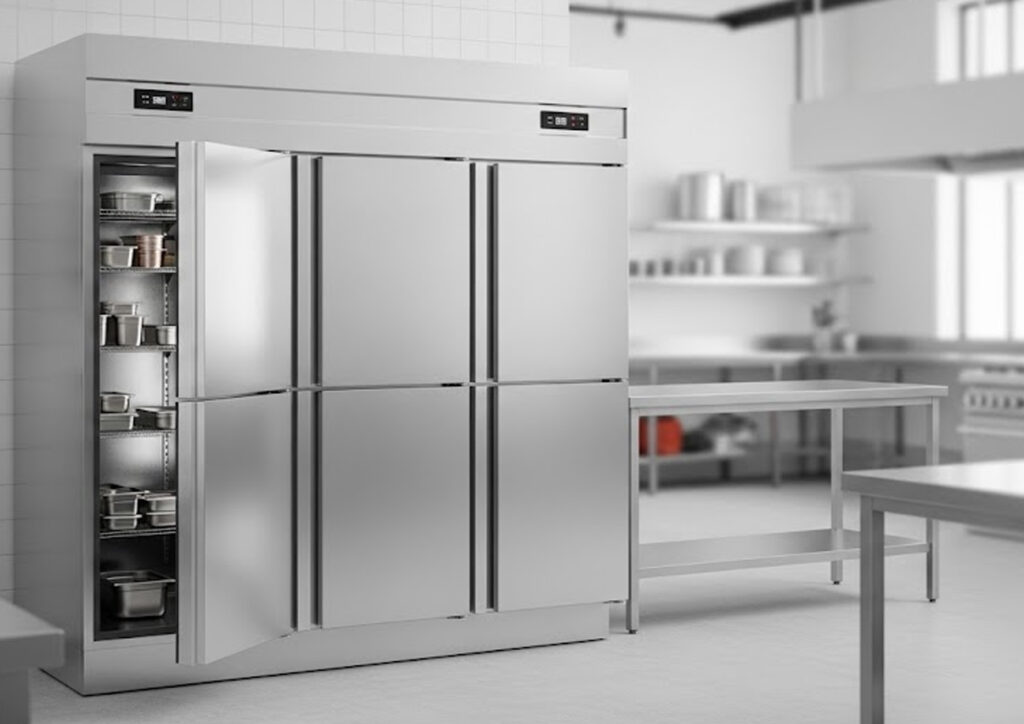
A self-contained refrigeration unit houses all major components — compressor, condenser, evaporator, and controls — within a single cabinet. These are commonly found in:
- Reach-in refrigerators and freezers
- Undercounter units
- Display cases
- Prep tables
Unlike remote systems, self-contained units do not require a separate condensing unit located outside the building.
Pros of Self-Contained Refrigeration Units
1. Easier Installation
Self-contained systems are typically plug-and-play, making installation straightforward. Most units only require:
- Proper electrical connection
- Adequate ventilation clearance
- Level placement
This reduces upfront installation costs compared to remote systems.
2. Lower Initial Investment
These units generally cost less to install because:
- No remote condensing system is required
- Less labor is involved
- Minimal structural modifications are needed
For smaller restaurants or businesses just starting out, this can be a budget-friendly solution.
3. Ideal for Smaller Spaces
Self-contained units are compact and perfect for:
- Tight commercial kitchens
- Bars and cafés
- Convenience stores
- Limited storage areas
They allow businesses to maximize usable space while maintaining accessible cold storage.
4. Simple Replacement
If a unit fails beyond repair, replacing a self-contained unit is often quicker and easier than replacing a remote system.
Cons of Self-Contained Refrigeration Units
1. Heat Output Into the Room
Because the condenser is built into the unit, self-contained systems release heat directly into the surrounding space. In Nevada’s hot climate, this can:
- Increase indoor temperatures
- Strain HVAC systems
- Raise energy costs
- Reduce overall efficiency
Proper ventilation and routine commercial refrigeration maintenance are critical to offset this issue.
2. Limited Capacity
Self-contained units typically offer less storage capacity than walk-in coolers or remote systems. They may not be ideal for:
- High-volume grocery stores
- Large restaurants
- Warehouses or distribution centers
Businesses with bulk inventory needs often require walk-in refrigeration instead.
3. Higher Noise Levels
Because all components are inside the cabinet, these units can be louder than remote systems. In open kitchen concepts or customer-facing environments, noise may be a consideration.
4. Performance in High Heat
In extremely hot environments, self-contained units may struggle more than remote systems. Nevada’s summer temperatures can push compressors to work harder, increasing wear and tear.
Without preventative commercial refrigeration service, this can lead to:
- Overheated compressors
- Dirty condenser coils
- Reduced cooling efficiency
- Emergency refrigeration repair
When Self-Contained Units Are the Right Choice
Self-contained refrigeration units are ideal if:
- Your business has limited space
- You need quick installation
- Your cold storage needs are moderate
- You want lower upfront costs
- You operate a small to mid-sized food service location
Many Nevada businesses use a combination of self-contained units and walk-in coolers for optimal flexibility.
Maintenance Considerations
Because self-contained systems operate in the same space as kitchen equipment, they are more exposed to:
- Grease buildup
- Dust
- Heat from cooking appliances
Regular commercial refrigeration maintenance should include:
- Cleaning condenser coils
- Checking refrigerant levels
- Inspecting fans and motors
- Testing temperature controls
- Ensuring proper airflow clearance
Routine maintenance significantly reduces breakdown risk and extends equipment lifespan.
Frequently Asked Questions
Are self-contained refrigeration units energy efficient?
They can be, but efficiency depends on proper ventilation, maintenance, and ambient room temperature. High-heat environments may reduce efficiency.
How long do self-contained units last?
With proper service, most units last 8–12 years.
Are self-contained units better than remote systems?
It depends on your space, budget, and storage volume. Smaller operations often benefit from self-contained systems, while larger facilities may require remote systems.
Do they require professional service?
Yes. Regular professional commercial refrigeration service helps prevent breakdowns and costly repairs.
Schedule Service Today
Choosing the right refrigeration setup is essential for protecting your inventory and maintaining smooth operations.
Buffo’s Refrigeration provides expert commercial refrigeration service, installation, maintenance, walk-in cooler repair, walk-in freezer service, reach-in repair, and emergency refrigeration repair throughout Nevada and surrounding areas. Our experienced technicians understand the demands of commercial facilities and the challenges of Nevada’s extreme climate.
📞Call Us For A Free Quote 775-782-8204 | Buffos-Refrigeration.com