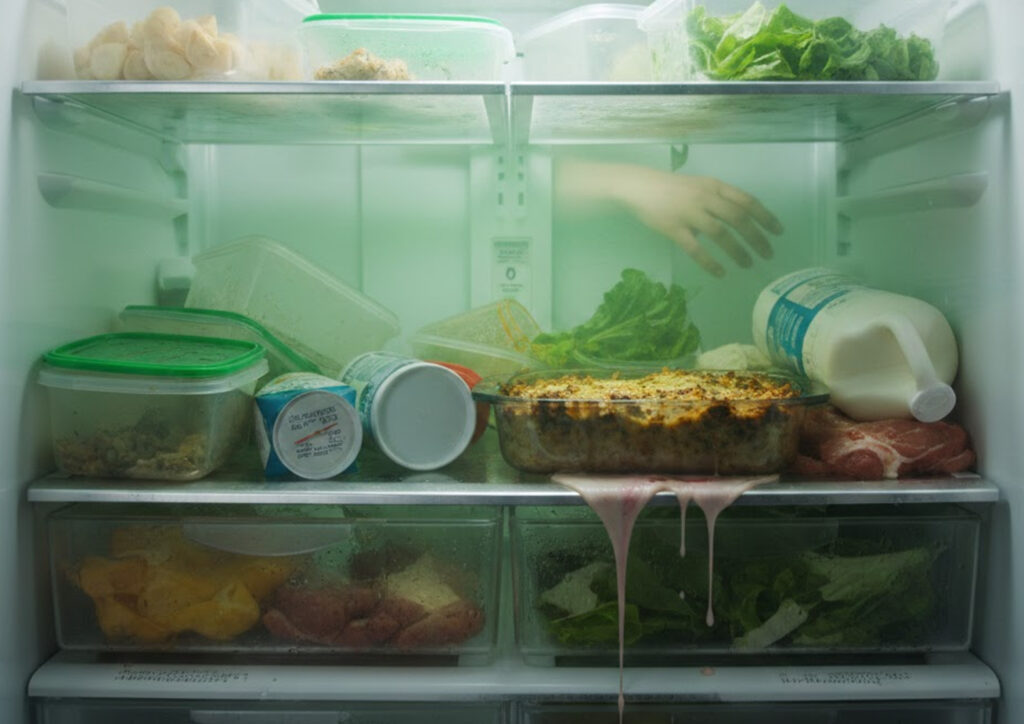
Proper refrigeration is essential for restaurants, grocery stores, convenience stores, warehouses, and food service operators. Common refrigeration mistakes can compromise food safety, lead to spoilage, and increase the risk of foodborne illness. In Nevada’s extreme heat, even small lapses in refrigeration practices can have serious consequences.
Buffo’s Refrigeration provides commercial refrigeration service throughout Nevada, helping businesses prevent mistakes and maintain safe food storage.
1. Ignoring Temperature Guidelines
One of the most frequent mistakes is failing to maintain proper temperatures:
- Refrigerated foods should stay at 41°F or below.
- Frozen foods should remain at 0°F or below.
Even brief deviations can allow bacteria to multiply, creating a risk for foodborne illness. Therefore, monitoring temperatures consistently is essential.
2. Inadequate Monitoring and Logging
Many businesses neglect proper temperature logging or fail to check readings regularly. This oversight can result in:
- Unnoticed temperature fluctuations
- Missed warning signs of equipment failure
- Delayed corrective action
Keeping accurate temperature logs and reviewing them daily helps ensure compliance with FDA and HACCP standards. Additionally, it allows early detection of potential refrigeration issues before they impact food safety.
3. Overcrowding Refrigeration Units
Overloading walk-in coolers, freezers, or reach-in units restricts airflow. As a result:
- Cold air cannot circulate properly
- Temperature consistency decreases
- Food may enter the “danger zone”
Always leave space around stored items and avoid stacking products too tightly. Proper organization promotes even cooling and reduces the risk of contamination.
4. Failing to Maintain Equipment
Neglecting routine maintenance is a common contributor to foodborne illness. Dirty condenser coils, faulty thermostats, or failing fans can:
- Prevent units from holding temperature
- Cause uneven cooling
- Trigger emergency refrigeration repair
Regular commercial refrigeration maintenance ensures your systems operate efficiently and reliably, reducing food safety risks.
5. Not Checking Door Seals
Worn or damaged gaskets on cooler or freezer doors allow warm air to enter. Consequences include:
- Temperature fluctuations
- Increased energy usage
- Accelerated food spoilage
Inspect door seals frequently and replace damaged gaskets promptly to maintain safe temperatures.
6. Ignoring Cross-Contamination Risks
Even if refrigeration is adequate, poor storage practices can spread bacteria:
- Store raw meats below ready-to-eat foods
- Avoid placing food directly on floors
- Use clearly labeled containers
Proper storage prevents cross-contamination and reduces the risk of foodborne illness.
7. Improper Thawing or Refreezing
Thawing food incorrectly or refreezing partially thawed products is another common mistake. Always:
- Thaw in a refrigerator at 41°F or below
- Avoid leaving food at room temperature
- Discard food that has been above safe temperatures for more than 2–4 hours
This prevents bacteria from multiplying to dangerous levels.
8. Lack of Staff Training
Even the best refrigeration system can fail if employees don’t follow food safety protocols. Staff should be trained to:
- Monitor and log temperatures
- Handle and store food safely
- Identify warning signs of equipment failure
- Take corrective action when needed
Well-trained staff reduce the likelihood of mistakes that lead to contamination.
9. Neglecting High-Heat Environments
Nevada’s extreme summer temperatures increase stress on refrigeration units. Overworked compressors or poorly ventilated condensers can:
- Reduce cooling efficiency
- Increase risk of equipment failure
- Lead to rapid temperature rises
Professional commercial refrigeration service helps prevent these issues before they compromise food safety.
Frequently Asked Questions
What temperatures are considered safe for refrigerated and frozen foods?
Refrigerated foods should remain at 41°F or below, while frozen foods should stay at 0°F or below.
How often should temperature logs be checked?
Daily monitoring is recommended, with automated systems providing real-time alerts for high-volume operations.
Can poor refrigeration actually cause foodborne illness?
Yes. Improper cooling allows bacteria such as Salmonella or E. coli to multiply rapidly, increasing the risk of illness.
How can maintenance prevent foodborne illness?
Regular commercial refrigeration maintenance keeps equipment running efficiently, maintains safe temperatures, and prevents failures that could compromise food safety.
Schedule Professional Refrigeration Service Today
Avoid common refrigeration mistakes and protect your inventory, customers, and business reputation. Buffo’s Refrigeration provides expert commercial refrigeration service, walk-in cooler repair, walk-in freezer service, preventative maintenance programs, HVAC service, and 24/7 emergency refrigeration repair throughout Nevada and surrounding areas. Our experienced technicians help businesses maintain safe storage and prevent foodborne illness.
📞Call Us For A Free Quote 775-782-8204 | Buffos-Refrigeration.com