For restaurants, grocery stores, warehouses, and food service operators across Minnesota and the surrounding Midwest, an outdated cooling system isn’t just inefficient — it’s a serious financial liability.
Older commercial refrigeration systems often appear to “still be working,” but behind the scenes they may be driving up energy costs, increasing repair expenses, and putting thousands of dollars in inventory at risk.
If your walk-in cooler, freezer, or refrigeration system is 10–15+ years old, it may be costing your business far more than you realize.
Rising Energy Costs
One of the biggest hidden expenses of outdated refrigeration equipment is energy consumption.
Older systems:
- Run longer cycles
- Struggle to maintain temperature in Minnesota’s seasonal extremes
- Use outdated refrigerants and inefficient compressors
- Have dirty or degraded condenser coils
Energy inefficiency can increase operating costs by 15–40% annually. In high-demand environments like restaurants and grocery stores, that adds up quickly.
Regular commercial refrigeration maintenance can improve efficiency, but aging systems often cannot match the performance of modern equipment.
Frequent Emergency Repairs
An older system typically means more frequent breakdowns.
Emergency refrigeration repair costs often include:
- After-hours service premiums
- Rush parts ordering
- Expedited labor
- Lost inventory during downtime
One major compressor failure can cost $3,000–$8,000 — sometimes more. Multiple emergency calls per year may exceed the cost of system replacement.
A trusted commercial refrigeration repair company can help determine whether continued repair makes financial sense.
Inventory Loss and Food Safety Risks
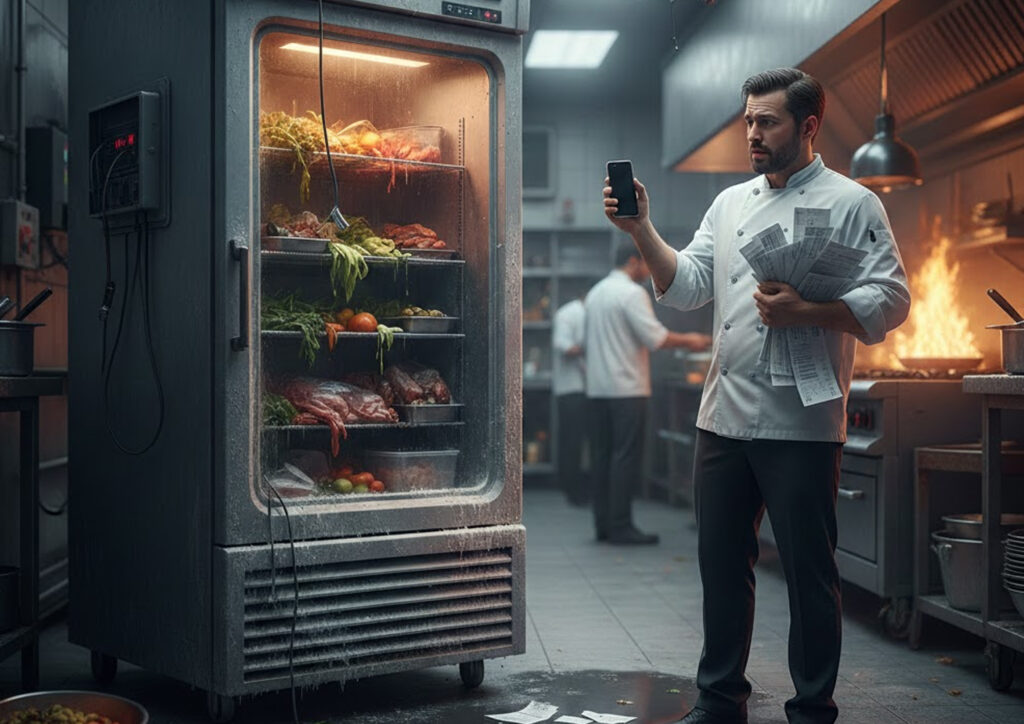
In Minnesota’s food service industry, refrigeration failure can quickly turn into a compliance issue.
Outdated systems are more likely to:
- Fail to maintain consistent temperatures
- Experience refrigerant leaks
- Develop airflow issues
- Cause frost buildup in walk-in freezers
Even a few hours of temperature fluctuation can lead to spoiled food, discarded inventory, health code violations, and reputational damage.
Walk-in cooler repair or walk-in freezer service becomes more urgent — and more frequent — as systems age.
Increased Maintenance Costs Over Time
While commercial refrigeration maintenance is always recommended, older systems typically require:
- More frequent service visits
- Hard-to-source replacement parts
- Electrical component replacements
- Refrigerant retrofits
If annual maintenance and repair costs approach 50% of replacement value, it may be time to evaluate upgrading.
Downtime During Peak Business Hours
In busy Midwest restaurants and grocery stores, downtime during peak hours can mean lost sales, disrupted service, staff inefficiency, and customer dissatisfaction.
Outdated refrigeration systems are more prone to failing under heavy load — especially during hot summer months when systems are already stressed.
Emergency restaurant refrigeration repair during a lunch or dinner rush can severely impact revenue.
Regulatory and Refrigerant Phase-Out Risks
Older systems may rely on refrigerants that are being phased out due to environmental regulations.
This can lead to:
- Higher refrigerant refill costs
- Limited availability
- Compliance concerns
- Expensive retrofit requirements
A proactive commercial refrigeration service evaluation helps businesses stay ahead of regulatory changes.
Shortened Equipment Lifespan
Commercial refrigeration equipment typically lasts:
- 10–15 years for heavy-use systems
- 15–20 years with consistent maintenance
If your system is nearing or exceeding this range, repair frequency will likely increase year over year.
Continuing to invest in aging equipment may delay the inevitable while compounding total cost.
When to Consider Replacement Instead of Repair
It may be time to consider replacement if:
- Repairs are occurring multiple times per year
- Energy bills are steadily increasing
- Temperature consistency is unreliable
- Parts are becoming difficult to source
- The system is 15+ years old
A professional evaluation from an experienced refrigeration repair company can help you weigh repair versus replacement.
Preventative Maintenance Reduces Financial Risk
The best way to avoid the financial impact of outdated cooling systems is through routine commercial refrigeration maintenance, early problem detection, performance monitoring, and energy efficiency assessments.
Serving Minnesota and surrounding areas, Buffo’s Refrigeration provides preventative maintenance programs designed to extend system life and reduce emergency refrigeration repair calls.
FAQ: Outdated Commercial Refrigeration Systems
How do I know if my cooling system is outdated?
If it’s over 10–15 years old, requires frequent repairs, or struggles to maintain consistent temperature, it may be outdated.
Is it cheaper to repair or replace commercial refrigeration equipment?
It depends on repair frequency and system age. If annual repair costs approach half the value of replacement, upgrading may be more cost-effective long term.
Can maintenance extend the life of older systems?
Yes, commercial refrigeration maintenance can extend lifespan — but it cannot reverse age-related efficiency decline.
What’s the biggest financial risk of refrigeration failure?
Inventory loss combined with downtime is typically the most immediate and costly impact.
Protect Your Business From Costly Cooling Failures
Outdated refrigeration systems create hidden financial risks that compound over time — from energy waste to emergency repairs and product loss.
At Buffo’s Refrigeration, we specialize in commercial refrigeration service, walk-in cooler repair, walk-in freezer service, restaurant refrigeration repair, emergency refrigeration repair, and commercial refrigeration maintenance programs.
We help Minnesota businesses evaluate system performance, reduce operating costs, and prevent costly downtime.
Schedule a Refrigeration System Evaluation Today
Don’t wait for your aging system to fail during peak business hours.
📞Call Us For A Free Quote 775-782-8204 | Buffos-Refrigeration.com