For restaurants, grocery stores, convenience stores, and warehouses across Nevada, refrigeration systems work harder than in many other parts of the country. The state’s intense summer heat, dry air, and dramatic day-to-night temperature swings directly impact energy usage, equipment lifespan, and overall operating costs.
If you rely on commercial refrigeration to protect inventory and maintain food safety, understanding how Nevada’s climate affects your system can help you control expenses and prevent costly breakdowns.
Extreme Summer Heat Increases Energy Consumption
Nevada regularly experiences summer temperatures exceeding 100°F. When outdoor temperatures rise, refrigeration systems must work significantly harder to maintain safe internal temperatures.
High ambient temperatures cause:
- Longer compressor run times
- Increased electrical consumption
- Higher refrigerant pressure
- Added strain on condensers
When condenser units are exposed to extreme heat without adequate ventilation or maintenance, energy costs can increase dramatically. Even small inefficiencies become expensive during prolonged heat waves.
Routine commercial refrigeration maintenance helps ensure coils are clean, refrigerant levels are correct, and airflow remains unrestricted during peak summer demand.
Dry, Dusty Conditions Impact Equipment Performance
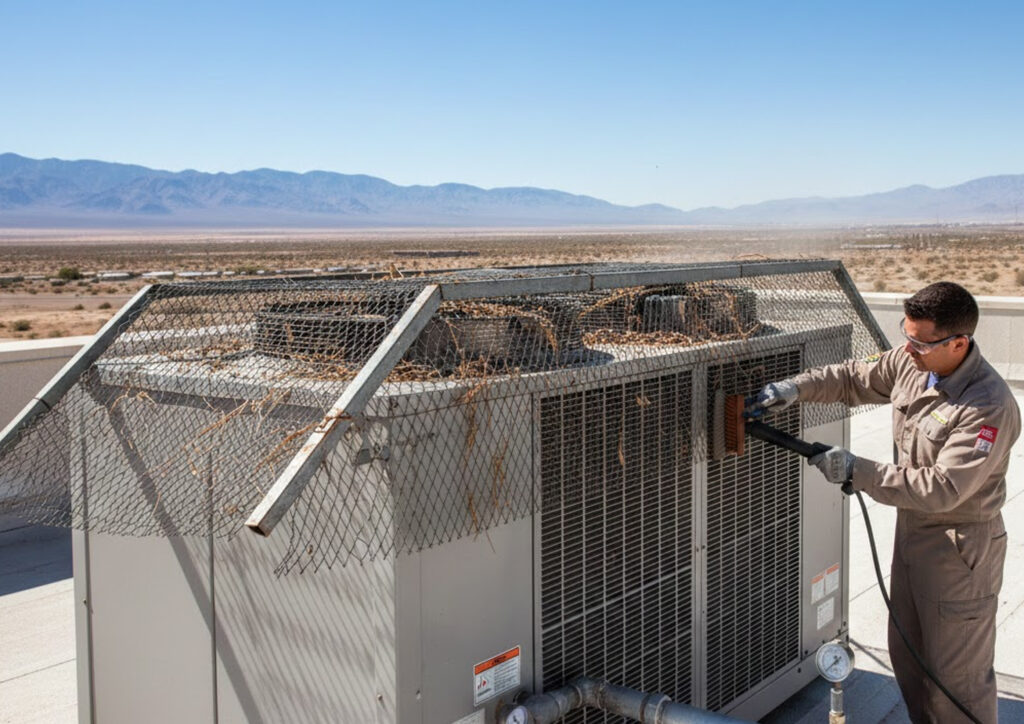
Nevada’s desert climate creates dusty conditions that can clog condenser coils and reduce airflow.
When dust and debris accumulate:
- Heat transfer becomes less efficient
- Compressors overheat
- Systems cycle longer
- Wear and tear accelerates
Dirty condenser coils are one of the most common causes of refrigeration failure. In high-dust areas, more frequent inspections and cleaning are necessary to prevent emergency refrigeration repair.
Wide Temperature Swings Create System Stress
Nevada’s desert climate often brings significant temperature swings between daytime heat and cooler nights.
These rapid fluctuations can:
- Cause pressure imbalances
- Stress electrical components
- Impact refrigerant performance
- Increase condensation buildup
Over time, repeated expansion and contraction of system components can contribute to premature part failure.
Professional commercial refrigeration service inspections help detect early warning signs before they turn into major issues.
Higher Risk of Compressor Failure
The compressor is the heart of your refrigeration system — and it is especially vulnerable in hot climates.
When systems are forced to run continuously in extreme heat:
- Internal components overheat
- Lubrication breaks down faster
- Electrical components degrade
- Failure risk increases
Compressor replacement is one of the most expensive repairs a business can face. Preventative commercial refrigeration maintenance reduces strain and extends compressor life.
Increased Demand During Peak Business Seasons
Summer months often bring increased customer traffic to Nevada restaurants, grocery stores, and hospitality businesses.
Higher usage means:
- More frequent door openings
- Slower temperature recovery
- Greater cooling load
- Increased energy bills
Walk-in cooler repair and walk-in freezer service are more common during peak seasons due to higher demand combined with extreme weather conditions.
Monitoring system performance during busy months is critical to avoiding downtime.
Utility Costs and Efficiency Challenges
Electricity costs can rise significantly during extended heat waves. If refrigeration systems are not operating efficiently, businesses may see sharp increases in monthly utility bills.
Energy inefficiencies caused by:
- Dirty coils
- Improper refrigerant charge
- Failing fan motors
- Worn door gaskets
Can amplify already high summer cooling expenses.
Working with a professional refrigeration repair company ensures your system is operating at peak efficiency year-round.
How to Reduce Climate-Related Refrigeration Costs
Businesses across Nevada can lower refrigeration expenses by:
- Scheduling quarterly commercial refrigeration maintenance
- Cleaning condenser coils more frequently during dusty seasons
- Ensuring proper ventilation around outdoor units
- Installing shade structures for rooftop condensers
- Monitoring temperature and performance trends
- Addressing minor repairs immediately
A proactive approach reduces emergency refrigeration repair calls and protects equipment lifespan.
FAQ: Refrigeration in Hot Climates
Why do refrigeration systems fail more often in hot weather?
High outdoor temperatures force systems to work harder, increasing strain on compressors and electrical components.
How often should commercial refrigeration be serviced in Nevada?
Due to extreme heat and dust exposure, quarterly service is recommended, with additional inspections during peak summer months.
Can shade reduce refrigeration costs?
Yes. Providing shade for outdoor condenser units can improve efficiency and reduce operating pressure.
Does desert dust really affect refrigeration systems?
Absolutely. Dust buildup on condenser coils reduces heat transfer and increases system strain.
Protect Your Business From Climate-Related Costs
Nevada’s climate creates unique challenges for commercial refrigeration systems. Without proper maintenance and monitoring, energy costs, repair bills, and equipment wear can escalate quickly.
At Buffo’s Refrigeration, we provide professional commercial refrigeration service, walk-in cooler repair, walk-in freezer service, restaurant refrigeration repair, and emergency refrigeration repair to keep your systems operating efficiently in Nevada’s demanding climate.
Schedule Service Before the Heat Peaks
Don’t wait for extreme temperatures to expose system weaknesses.
📞Call Us For A Free Quote 775-782-8204 | Buffos-Refrigeration.com