
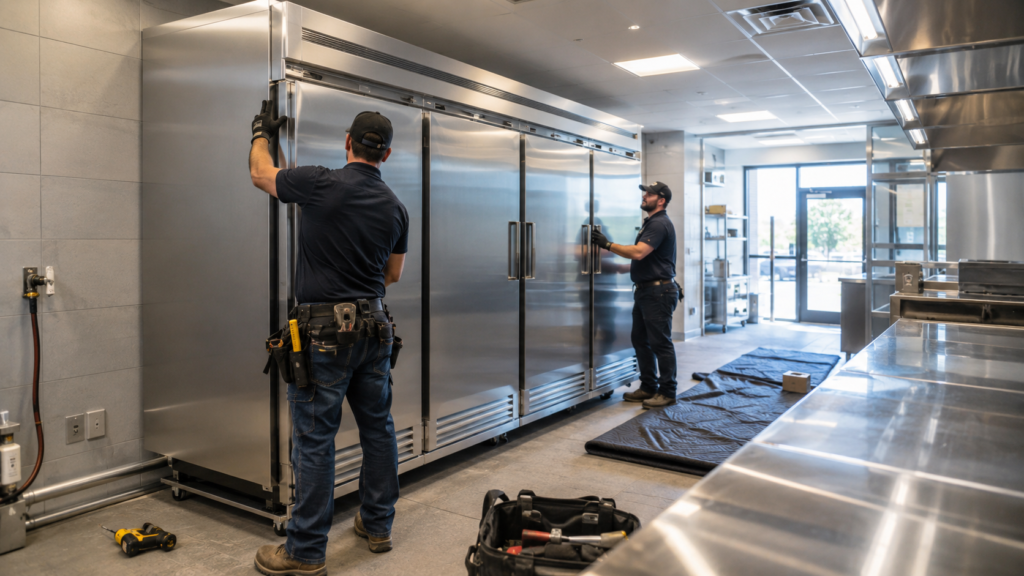
Commercial refrigerator installation is a major investment for restaurants, grocery stores, convenience stores, food service operators, and commercial facilities in Carson City, NV. Whether you are replacing an outdated unit or adding new refrigeration capacity, proper installation helps protect inventory, improve energy efficiency, and prevent costly downtime. Buffo’s Refrigeration provides professional commercial refrigeration installation, repair, and maintenance for businesses in Carson City, Nevada, and surrounding areas.
Why Professional Commercial Refrigerator Installation Matters
A commercial refrigerator is not a simple plug-in appliance. It must be correctly sized, placed, connected, tested, and calibrated to meet your business’s cooling demands. Poor installation can lead to temperature problems, high utility bills, compressor strain, refrigerant issues, and early equipment failure.
In Carson City, where summer heat can increase system workload, professional installation is especially important. A properly installed system helps maintain consistent temperatures and supports safe food storage during daily business operations.
Initial Site Evaluation
Before installation begins, a qualified refrigeration technician will evaluate your space and business needs. This step helps determine whether the selected equipment is suitable for your operation.
The site evaluation may include:
- Measuring available space
- Reviewing ventilation and airflow
- Checking electrical requirements
- Inspecting floor support and equipment access
- Reviewing drain line needs
- Identifying heat sources nearby
- Confirming storage capacity requirements
This helps prevent installation problems and ensures the commercial refrigerator can operate efficiently once installed.
Choosing the Right Equipment
Not every commercial refrigerator is right for every business. Restaurants, grocery stores, commercial kitchens, and food storage facilities all have different refrigeration needs.
Your technician may help evaluate factors such as:
- Storage volume
- Temperature requirements
- Door style and access needs
- Energy efficiency
- Equipment location
- Daily usage levels
- Serviceability
- Future business growth
Correct equipment selection is one of the most important parts of the installation process. A unit that is too small may run constantly, while an oversized system may waste energy and create uneven cooling.
Preparing the Installation Area
Before the new refrigerator is installed, the area must be properly prepared. This may involve removing old equipment, clearing access paths, checking electrical connections, and making sure the location allows for safe operation.
Proper clearance is especially important. Commercial refrigeration systems need enough airflow around coils, vents, and mechanical components. Restricted airflow can cause overheating, poor cooling performance, and expensive repairs.
Electrical and Utility Connections
Commercial refrigerators often require specific electrical connections. During installation, technicians verify that the equipment has the correct voltage, breaker capacity, and safe wiring setup.
Depending on the system, installation may also involve:
- Drain line connections
- Condensate management
- Refrigerant line setup
- Control wiring
- Dedicated circuits
- Safety checks
These steps should always be completed by trained professionals. Improper utility connections can damage the unit and create safety risks.
Placement and Leveling
Once the installation area is ready, the refrigerator is carefully placed and leveled. Leveling is important because doors must seal properly, drains must function correctly, and internal components must operate as designed.
If a unit is not level, it may experience door seal issues, water drainage problems, uneven cooling, or unnecessary mechanical strain.
System Startup and Testing
After installation, the system is started and tested. This step confirms that the equipment is operating correctly before it is put into full use.
Technicians may check:
- Interior temperature
- Thermostat calibration
- Compressor operation
- Fan performance
- Door gasket seal
- Refrigerant pressures
- Drainage
- Electrical readings
- Airflow
- Defrost operation
This testing helps confirm that the commercial refrigerator is ready for daily operation and can maintain safe temperatures.
Temperature Calibration
Accurate temperature control is critical for food safety and product protection. During installation, the refrigerator should be calibrated to the correct operating range for your inventory.
For restaurants and food service businesses, even small temperature inconsistencies can create problems. Proper calibration supports reliable cooling and helps reduce the risk of spoilage.
Staff Guidance and Maintenance Tips
A professional installation may also include basic guidance for your team. Knowing how to use and care for the equipment can help prevent avoidable problems.
Your staff should understand:
- How to monitor temperatures
- Why doors should not be left open
- How to avoid blocking vents
- When to report unusual noises
- Why gaskets should be kept clean
- How to recognize early warning signs
Good daily habits support long-term refrigeration efficiency and help reduce unnecessary service calls.
Common Mistakes to Avoid
Commercial refrigerator installation problems often happen when businesses rush the process or use unqualified installers.
Common mistakes include:
- Choosing the wrong size unit
- Ignoring ventilation needs
- Installing near heat-producing equipment
- Using improper electrical connections
- Failing to level the unit
- Skipping startup testing
- Not scheduling maintenance after installation
Working with an experienced refrigeration repair company helps avoid these issues from the start.
Ongoing Commercial Refrigeration Maintenance
Installation is only the first step. Regular commercial refrigeration maintenance helps keep the system running efficiently and reduces the risk of emergency refrigeration repair.
Maintenance may include coil cleaning, gasket checks, temperature verification, electrical inspections, refrigerant checks, drain line cleaning, and airflow testing. For high-use commercial kitchens and grocery environments, preventative maintenance is one of the best ways to protect equipment and inventory.
FAQ
How long does commercial refrigerator installation take?
Installation time depends on the type of refrigerator, site conditions, electrical requirements, and whether old equipment needs to be removed. A technician can provide a more accurate timeline after inspecting the location.
Do I need professional installation for a commercial refrigerator?
Yes. Professional installation helps ensure the unit is correctly placed, connected, leveled, calibrated, and tested for reliable operation.
What should I do before installation day?
Clear the installation area, remove obstacles, confirm access paths, and make sure staff know when the work is scheduled. If replacing old equipment, plan for temporary product storage.
Why is airflow important for commercial refrigeration?
Good airflow allows the system to remove heat and maintain consistent temperatures. Poor airflow can cause overheating, higher energy costs, and cooling failure.
Who installs commercial refrigerators in Carson City, NV?
Buffo’s Refrigeration provides commercial refrigerator installation, walk-in cooler service, walk-in freezer service, refrigeration repair, and preventative maintenance for businesses in Carson City, NV, and surrounding areas.
Schedule Commercial Refrigerator Installation in Carson City, NV
A properly installed commercial refrigerator helps protect your products, reduce downtime, and support reliable daily operations. Whether you are opening a new business, upgrading old equipment, or expanding refrigeration capacity, Buffo’s Refrigeration is ready to help.
📞Call Us For A Free Quote 775-782-8204 | Buffos-Refrigeration.com