Commercial refrigeration systems work hard every single day. When cooling failures strike without warning, the consequences can be severe. Spoiled inventory, unhappy customers, and lost revenue add up quickly for restaurants, grocers, and other businesses across Northern Nevada.
Sun Valley businesses face unique challenges. The area’s hot summers and cold winters push commercial cooling equipment to its limits. Because of this, understanding the most common causes of system failure can help you catch problems early and avoid costly downtime.
At Buffos Commercial Refrigeration & HVAC Services, we work with businesses throughout Sun Valley, Carson City, Gardnerville, and surrounding communities. In this post, we break down the most frequent reasons commercial cooling systems fail — and what you can do about it.
Why Commercial Cooling Failures Happen More Often Than You Think
Many business owners assume their equipment will simply keep running. However, commercial cooling systems face constant stress from heavy use, temperature swings, and environmental conditions. Even well-maintained equipment can develop problems over time.
Northern Nevada’s climate adds another layer of pressure. Summer temperatures in Sun Valley and the greater Reno-Sparks area regularly climb well above 90°F. Meanwhile, walk-in coolers and freezers must maintain precise internal temperatures regardless of outdoor heat. That strain accelerates wear on critical components.
Furthermore, businesses in areas like Dayton and Fernley experience similar conditions. Recognizing the warning signs early is the first step toward preventing a full system breakdown.
Top Causes of Commercial Cooling System Failures
1. Dirty or Blocked Condenser Coils
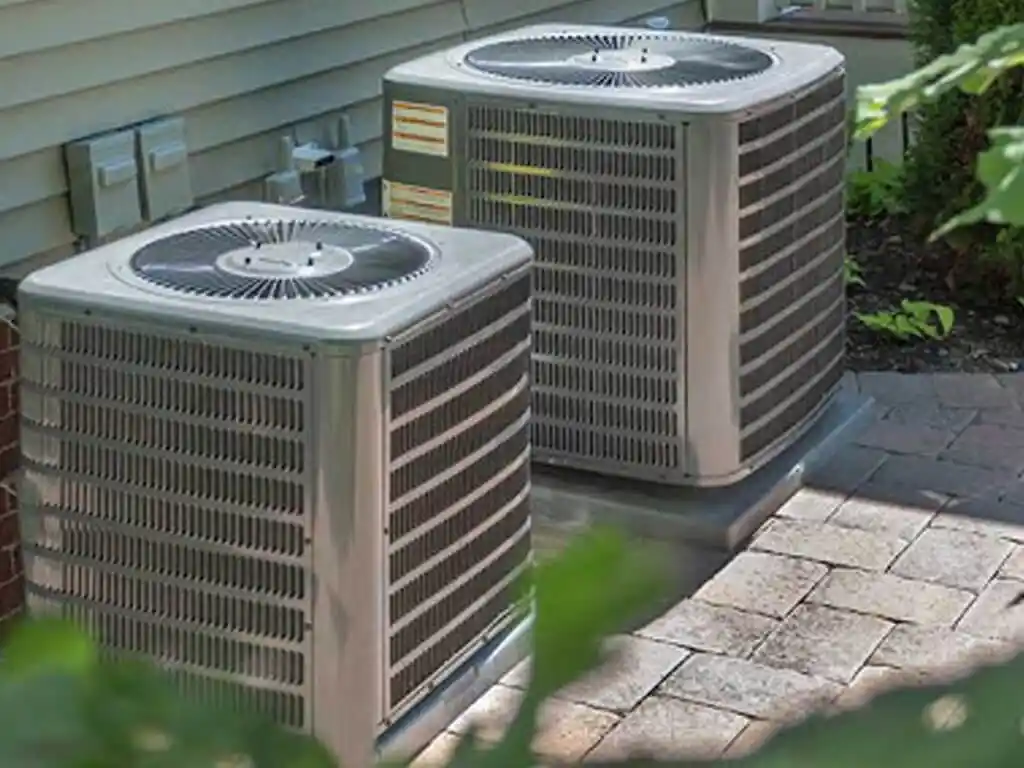
Condenser coils release heat from the refrigerant cycle. When dust, grease, and debris build up on the coils, the system cannot shed heat efficiently. As a result, the compressor works harder and the unit runs hotter than it should.
In commercial kitchens and food service environments, grease-laden air accelerates this problem. Additionally, outdoor units near loading docks or alleys collect dirt and debris faster than most owners realize. Regular coil cleaning is one of the simplest and most effective preventive steps available.
2. Refrigerant Leaks
Refrigerant is the lifeblood of any cooling system. When a leak develops, the system loses its ability to transfer heat properly. Therefore, temperatures inside walk-in coolers or display cases begin to rise, even when the unit appears to be running normally.
Refrigerant leaks are not always obvious. Hissing sounds, ice buildup on refrigerant lines, or warm spots inside a cooler are common warning signs. Because of this, any unexplained temperature increase should prompt a professional inspection right away.
3. Compressor Problems
The compressor is the engine of a commercial refrigeration system. It pressurizes refrigerant and keeps the cooling cycle moving. When a compressor fails, the entire system stops cooling.
Compressor failures are often caused by refrigerant issues, electrical problems, or simply age. Moreover, running a system with dirty coils or low refrigerant accelerates compressor wear significantly. Catching these issues early through regular maintenance can extend compressor life and prevent costly emergency replacements.
4. Faulty or Failed Evaporator Fans
Evaporator fans circulate cold air inside walk-in coolers, freezers, and refrigerated display cases. If a fan motor fails or a blade breaks, cold air does not reach all areas of the unit. Therefore, some sections of your cooler may warm up while others seem normal.
This uneven cooling is easy to overlook until temperatures rise enough to affect product quality. In addition, ice can build up around the evaporator coil if airflow is restricted, which creates further problems for the system as a whole.
5. Thermostat and Temperature Control Failures
A faulty thermostat can cause a cooling system to cycle incorrectly. It may run too often, not enough, or not at all. For example, a thermostat that reads temperatures inaccurately may allow a walk-in cooler to drift above safe holding temperatures without triggering any alarms.
On the other hand, a thermostat stuck in cooling mode causes the system to over-run and waste energy. Regular calibration checks during preventive maintenance visits catch these issues before they become serious problems.
6. Electrical Issues and Component Failures
Commercial cooling systems rely on a range of electrical components, including contactors, capacitors, relays, and control boards. Any one of these can fail and cause a system to stop working. Furthermore, power surges and voltage fluctuations — which are not uncommon in parts of Northern Nevada — can damage sensitive electronics over time.
Businesses in Sun Valley, as well as those near the industrial corridors in Sparks, should consider surge protection for critical refrigeration equipment. A qualified technician can assess your electrical setup and identify vulnerable components during a routine service visit.
7. Door Seal and Gasket Failures
Walk-in cooler and freezer door seals are easy to overlook. However, worn or damaged gaskets allow warm air to enter the unit constantly. As a result, the system works harder to maintain temperature, which increases energy costs and accelerates wear on the compressor and other components.
Door seals in high-traffic environments wear out faster than most operators expect. Inspecting gaskets regularly and replacing them promptly is a low-cost step that protects the entire system.
8. Drainage and Defrost System Problems
Commercial refrigeration systems produce condensation during normal operation. Drain lines carry that moisture away from the unit. When drain lines clog, water backs up and can cause ice buildup, water damage, or even mold growth inside the unit.
Additionally, defrost systems that malfunction allow ice to accumulate on evaporator coils. This restricts airflow and reduces cooling efficiency significantly. Because of this, keeping drain lines clean and defrost cycles functioning properly is a key part of any preventive maintenance program.
How Sun Valley’s Climate Affects Commercial Cooling Equipment
Sun Valley sits at a high desert elevation with hot summers and cold winters. These seasonal extremes affect commercial cooling systems in different ways throughout the year. In summer, outdoor condensing units struggle more to reject heat when ambient temperatures are high.
In winter, systems designed for cooling can experience issues when outdoor temperatures drop too low, particularly for units with outdoor components. Meanwhile, the dry air and occasional dust storms common in the Northern Nevada region contribute to faster coil fouling and filter clogging.
Businesses in Gardnerville and Carson City face similar seasonal challenges. However, altitude differences between communities can affect system performance in subtle ways. A technician familiar with the local climate can help you set up a maintenance schedule that accounts for these seasonal shifts.
Preventive Maintenance: Your Best Defense Against Cooling Failures
Most commercial cooling failures are preventable. Consistent preventive maintenance catches small problems before they turn into expensive breakdowns. Therefore, having a scheduled service plan in place is one of the smartest investments a business owner can make.
A thorough maintenance visit typically includes coil cleaning, refrigerant level checks, electrical component inspections, door seal evaluations, and drain line clearing. In addition, technicians check thermostat calibration and review overall system performance to identify any developing concerns.
Businesses that invest in regular maintenance generally experience fewer emergency calls and longer equipment lifespans. Furthermore, well-maintained systems run more efficiently, which keeps energy costs lower over time. Contact our team to set up a preventive maintenance plan that fits your operation.
Warning Signs Your Commercial Cooling System Needs Attention
Catching problems early can mean the difference between a quick repair and a major system failure. Watch for these common warning signs:
- Rising temperatures inside walk-in coolers, freezers, or display cases
- Unusual noises such as grinding, clicking, or hissing from the unit
- Ice buildup on refrigerant lines, coils, or door frames
- Higher-than-normal energy bills without a clear explanation
- Frequent short cycling where the system turns on and off rapidly
- Water pooling near the unit or inside a walk-in cooler
- Warm spots or uneven temperatures within a refrigerated space
If you notice any of these signs, do not wait to have the system inspected. Acting quickly often prevents minor issues from becoming full-system failures.
Frequently Asked Questions About Commercial Cooling Failures
How quickly should I call a technician if my cooling system seems off?
Call as soon as you notice a problem. Even a small temperature rise inside a walk-in cooler can lead to significant product loss within hours. Therefore, early intervention almost always saves money compared to waiting.
Can I prevent most commercial cooling failures with regular maintenance?
Yes, in most cases. Regular preventive maintenance addresses the leading causes of cooling failures before they become serious. However, some component failures are unpredictable, which is why having a reliable service partner on call matters.
How often should commercial refrigeration equipment be serviced?
Most commercial systems benefit from service visits at least twice per year. High-use equipment in busy kitchens or grocery environments may require more frequent attention. A qualified technician can recommend the right schedule for your specific equipment and workload.
Does Sun Valley’s climate really affect my cooling equipment that much?
Absolutely. High summer temperatures force outdoor condenser units to work much harder. Additionally, dust and dry air accelerate component wear. Businesses in Sun Valley, Carson City, and Gardnerville all see the effects of Northern Nevada’s climate on their commercial equipment over time.
What should I do if my walk-in cooler fails after hours?
First, move temperature-sensitive inventory to another cooled space if possible. Next, document the failure and note any warning signs you observed. Then, contact a commercial refrigeration service provider as quickly as possible to schedule emergency service.
Trust Buffos for Commercial Cooling Service in Sun Valley and Beyond
Buffos Commercial Refrigeration & HVAC Services is proud to serve businesses throughout Sun Valley, Carson City, Gardnerville, and nearby Northern Nevada communities. Our experienced technicians understand the demands of commercial refrigeration and HVAC equipment in this region.
We provide fast diagnostics, honest recommendations, and lasting repairs. Moreover, we offer preventive maintenance plans designed to keep your equipment running reliably through every season. Whether you operate a restaurant, grocery store, or commercial facility, we are ready to help.
Do not wait for a small problem to become a costly emergency. Talk with an HVAC and refrigeration expert at Buffos today and protect your business with dependable service you can count on year-round.