A failing commercial refrigerator can shut down your business fast. Whether you run a restaurant near the historic district in Genoa or manage a grocery operation in Carson City, keeping your refrigeration equipment running is not optional. That is why understanding fridge repair best practices matters so much for local business owners.
Fortunately, most refrigeration problems follow predictable patterns. Therefore, knowing the warning signs and responding quickly can save you significant time and money. The right approach protects your inventory, your staff, and your customers.
At Buffos Commercial Refrigeration & HVAC Services, we work with restaurants, grocers, and commercial kitchens across Carson City, Gardnerville, Genoa, and surrounding Northern Nevada communities every day. This guide covers what every business owner should know about commercial fridge repair done right.
Why Commercial Fridge Repair Requires a Specialized Approach
Commercial refrigerators are not the same as residential units. They run continuously, handle heavier loads, and operate in demanding kitchen and retail environments. As a result, they require a different level of care and expertise.
Additionally, a commercial unit that fails during peak service hours creates an immediate crisis. Food safety regulations in Nevada require proper temperature control at all times. Because of this, delays in repair are not just costly — they can also create compliance risks.
The Difference Between Commercial and Residential Refrigeration
Commercial systems use higher-capacity compressors and refrigerant lines. They also rely on more complex electrical systems and controls. Therefore, a technician trained only on residential units may miss critical issues in a commercial setting.
Moreover, commercial units in places like Genoa, Minden, and Gardnerville face unique challenges. High summer temperatures across the Carson Valley put added stress on condenser systems. Meanwhile, cold desert winters can affect door seals and drainage components.
Common Causes of Commercial Fridge Failures
Several factors commonly lead to refrigeration breakdowns. Understanding them helps you act before a small problem becomes a major failure.
- Dirty condenser coils: Dust and grease buildup forces the compressor to work harder.
- Worn door gaskets: Damaged seals allow warm air to enter and raise internal temperatures.
- Low refrigerant levels: This often signals a leak that requires professional diagnosis.
- Faulty evaporator fans: Poor airflow leads to uneven cooling and temperature swings.
- Thermostat or control board issues: These cause inaccurate temperature readings and inconsistent performance.
- Blocked drain lines: Ice buildup or standing water can damage flooring and internal components.
In addition, overloading a unit beyond its rated capacity is a frequent contributor to premature wear. However, many business owners overlook this until serious damage has already occurred.
Best Practices for Commercial Fridge Repair in Genoa and the Carson Valley
Following the right repair practices protects your equipment investment and keeps your business in compliance. Furthermore, it reduces the risk of repeat breakdowns that interrupt daily operations.
1. Never Delay Responding to Warning Signs
Early warning signs often appear days or weeks before a full failure. Therefore, train your staff to report changes in equipment behavior immediately. Common early warning signs include unusual noises, frost buildup inside the cabinet, and temperatures that fluctuate beyond normal range.
Additionally, watch for condensation on the outside of the unit or pooling water near the base. These are signals that your system needs attention now. The sooner you act, the less expensive the repair typically is.
2. Work Only with Certified Commercial Refrigeration Technicians
Commercial refrigeration involves pressurized systems, electrical components, and regulated refrigerants. For this reason, always use a technician certified to handle commercial equipment. An unqualified repair can void warranties, cause further damage, or create safety hazards.
In Carson City and throughout Douglas County, businesses rely on licensed professionals who understand local codes and equipment brands. Moreover, a qualified technician diagnoses the root cause rather than simply treating symptoms. This approach leads to lasting repairs instead of repeated service calls.
3. Prioritize Rapid Diagnostics
Fast, accurate diagnosis is one of the most important parts of any successful repair. Therefore, choose a service provider who arrives prepared with the right tools and replacement parts for common repairs. Every hour your unit is down costs your business in lost product and productivity.
At Buffos, our technicians serving Genoa, Carson City, and Gardnerville focus on rapid diagnostics as a core part of every service call. We identify the problem quickly and communicate our findings clearly before starting any work.
4. Use Quality Replacement Parts
Using low-quality or incompatible replacement parts is a common mistake that leads to repeat failures. Instead, always insist on OEM (original equipment manufacturer) parts or high-quality compatible alternatives approved for your unit. This protects the integrity of your system and supports longer equipment life.
Furthermore, ask your technician to explain which parts are being replaced and why. A trustworthy service provider welcomes these conversations and gives you honest recommendations rather than upselling unnecessary work.
5. Address the Root Cause, Not Just the Symptom
A compressor that overheats may simply need a refrigerant recharge. However, it may also signal a failing fan motor, a refrigerant leak, or blocked airflow. Because of this, surface-level fixes often fail within weeks if the underlying problem goes unaddressed.
Always ask your technician to confirm the root cause before approving repairs. In addition, request a written summary of the diagnosis and completed work for your maintenance records. This documentation is valuable for warranty claims and future service calls.
Preventive Maintenance: The Best Long-Term Strategy
The most effective way to reduce repair costs is to prevent breakdowns in the first place. Therefore, a structured preventive maintenance plan is one of the smartest investments a commercial kitchen or retail food operation can make.
What Preventive Maintenance Includes
A thorough preventive maintenance visit typically covers the following areas:
- Cleaning condenser and evaporator coils
- Inspecting and testing door gaskets and hinges
- Checking refrigerant levels and system pressures
- Testing thermostat accuracy and control settings
- Clearing drain lines and inspecting drain pans
- Lubricating fan motors and moving components
- Inspecting electrical connections and controls
Additionally, preventive maintenance visits give your technician the opportunity to spot developing problems early. As a result, you can schedule repairs on your timeline rather than responding to emergency breakdowns during service hours.
How Often Should You Schedule Maintenance?
The right maintenance frequency depends on your equipment type, usage volume, and kitchen environment. However, most commercial refrigeration units benefit from professional service at least twice per year. High-volume operations in busy areas like South Carson Street or the commercial corridors of Gardnerville may need quarterly attention.
Meanwhile, walk-in coolers and freezers serving high-traffic businesses in communities like Minden, Dayton, or Fernley often accumulate coil debris faster due to heavier usage. Therefore, more frequent service intervals make sense for these applications.
Emergency Fridge Repair: What to Do When Equipment Fails
Even with the best maintenance plan, emergencies happen. Knowing how to respond quickly reduces the impact on your business and your inventory.
Immediate Steps When Your Unit Fails
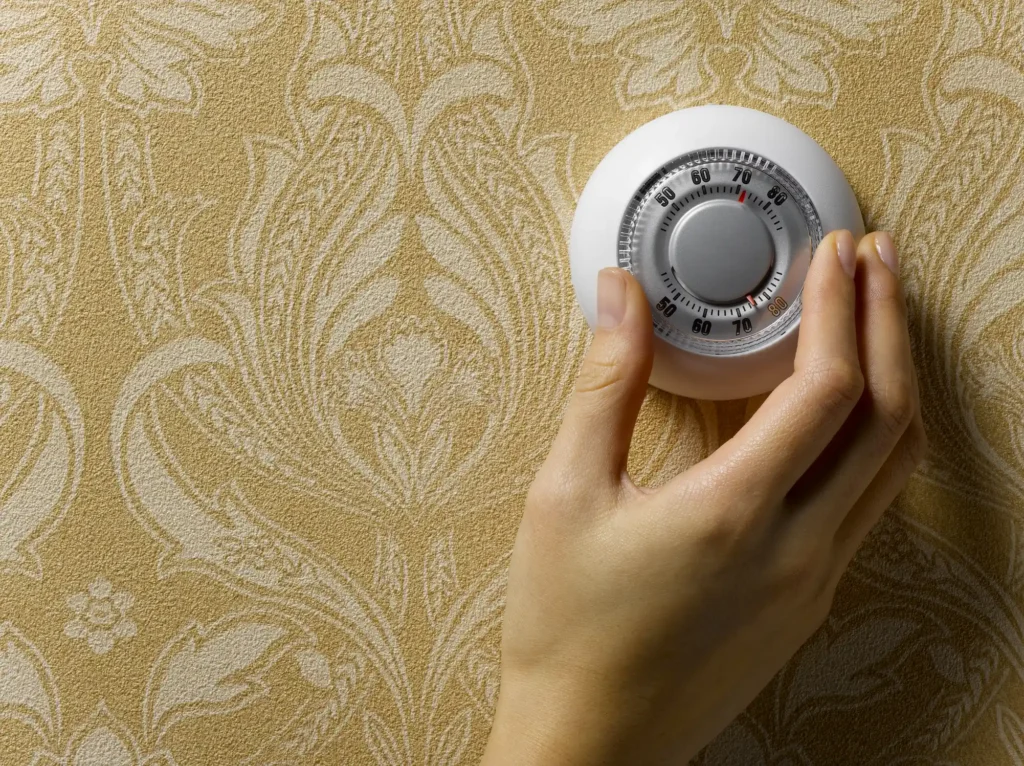
First, check the obvious: Is the unit receiving power? Is the circuit breaker tripped? Next, check the thermostat setting and confirm it has not been accidentally adjusted. Then, inspect door seals to confirm they are fully closed and intact.
If the unit is still not cooling properly after these checks, stop opening the doors as much as possible. This helps maintain internal temperature while you wait for a technician. Additionally, begin documenting the issue with photos and notes for your service record.
Protecting Your Inventory During a Breakdown
Move temperature-sensitive products to a backup unit if one is available. If not, contact your technician immediately and communicate the volume and type of product at risk. A responsive service provider prioritizes emergency calls and dispatches quickly.
Furthermore, keep emergency contact numbers for your refrigeration service provider posted in your kitchen or stockroom. In a crisis, fast communication makes a measurable difference. Contact our team to schedule service or get on our priority response list before an emergency occurs.
Frequently Asked Questions About Commercial Fridge Repair
How do I know if my commercial fridge needs repair or replacement?
If your unit is experiencing frequent breakdowns, running inefficiently, or is beyond its expected service life, replacement may be more cost-effective than continued repair. However, a qualified technician can assess your specific situation and give you an honest recommendation. We suggest scheduling a professional inspection to get a clear picture of your options.
How long does a typical commercial fridge repair take?
Many common repairs, such as replacing a door gasket or a faulty thermostat, can be completed in a single visit. More complex issues, such as compressor replacement or refrigerant leak repair, may require additional time or parts ordering. Your technician should give you a realistic timeline before starting work.
Can I perform any fridge maintenance myself?
Yes, there are several tasks your staff can handle safely. Wiping down door gaskets, keeping the area around the unit clear for airflow, and checking that doors close fully are all helpful. However, coil cleaning, refrigerant handling, and electrical work must be performed by a certified technician.
What refrigerants are used in commercial refrigerators?
Common commercial refrigerants include R-404A, R-448A, and R-290, among others. Regulations around refrigerant handling continue to evolve at the federal level. Therefore, always use a certified technician who stays current with EPA requirements and handles refrigerants properly.
Does Buffos serve Genoa and surrounding Douglas County communities?
Yes. We serve businesses throughout the Carson Valley region, including Genoa, Minden, Gardnerville, and Carson City. Additionally, we serve communities in the greater Northern Nevada area. Contact us to confirm service availability for your specific location.
Trust Buffos for Commercial Fridge Repair in Genoa and Beyond
When your refrigeration equipment fails, you need a team that responds fast and gets it right the first time. Buffos Commercial Refrigeration & HVAC Services brings certified expertise, honest communication, and a commitment to lasting repairs to every job we take on.
We serve restaurants, grocery stores, and commercial operations throughout Genoa, Carson City, Gardnerville, Minden, and the broader Northern Nevada region. Furthermore, we offer preventive maintenance plans designed to keep your equipment running reliably year-round and reduce the risk of costly emergency repairs.
Whether you are dealing with an active breakdown or simply want to get ahead of potential problems, our team is ready to help. Request a service call today and let us put our experience to work protecting your business and your inventory.