
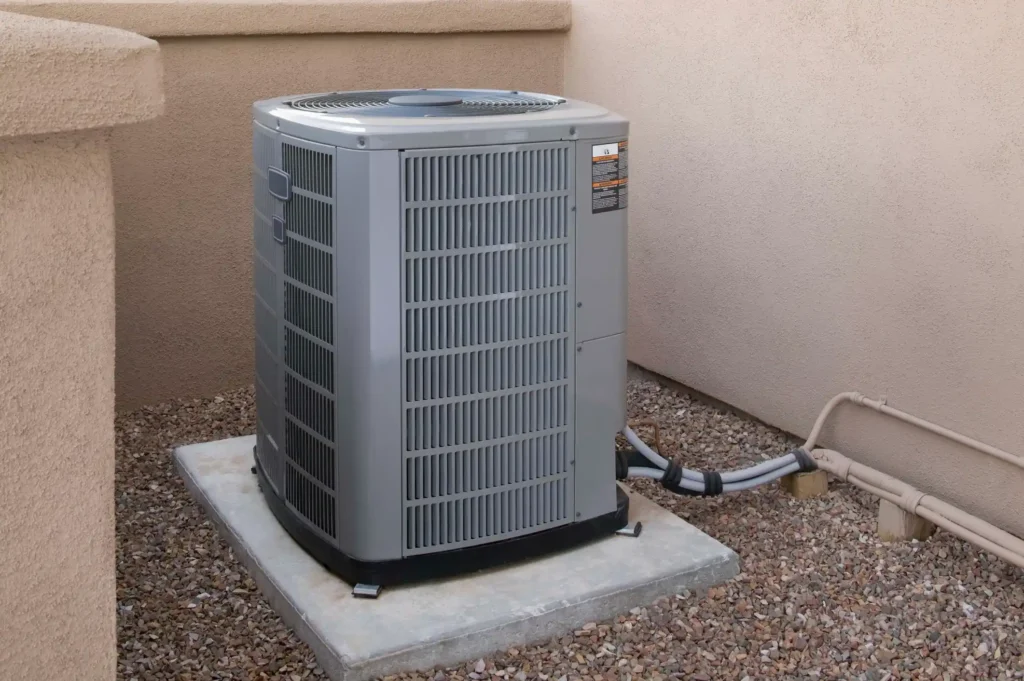
A commercial refrigeration failure can hit without warning. One moment your walk-in cooler is running perfectly. The next, your staff notices warm air, unusual sounds, or a blinking control panel. When this happens in Walker, NV or anywhere across the Northern Nevada region, every minute matters. Before you contact the Buffos team for emergency service, there are smart steps you can take right now to protect your inventory and slow the damage.
These quick actions do not replace a professional repair. However, they can mean the difference between saving your product and losing thousands of dollars in spoiled food or merchandise. Additionally, a few simple checks may help our technicians diagnose the problem faster when they arrive.
Whether you run a restaurant in Gardnerville, a grocery store in Carson City, or a food service operation near Topaz Lake or Minden, this guide gives you a clear, practical checklist for those critical first minutes.
Stay Calm and Assess the Situation First
The first thing to do is take a breath and look around. Panic leads to rushed decisions that can make things worse. Instead, do a quick visual check of the entire unit before touching anything.
Check for Obvious Warning Signs
Start by looking for visible clues. For example, frost buildup on evaporator coils, pooling water on the floor, or a humming compressor that never cycles off are all meaningful signals. These signs give our technicians a useful starting point for diagnostics.
Next, check the temperature display or thermometer inside the unit. Note the current reading. This gives you a baseline to track whether the situation is getting worse or holding steady.
Also, listen carefully. Unusual sounds like clicking, banging, or constant running often point to specific mechanical issues. Write down what you hear and when it started.
Do Not Prop Open the Doors
This seems obvious, but it happens often. Keep the doors closed as much as possible. Every time the door opens, warm air enters and accelerates temperature rise. Therefore, limit all access to the unit until help arrives.
If staff need to retrieve product, do it quickly and in organized batches. Meanwhile, make sure the door seals shut completely each time.
Check the Basics Before Assuming the Worst
Sometimes the issue is simpler than it appears. A quick check of basic components can save you time and service costs. Moreover, it helps you give our team more accurate information when you call.
Inspect the Power Supply
Walk to your electrical panel and look for tripped breakers. A tripped breaker is one of the most common causes of a sudden refrigeration failure. Reset it carefully and watch whether the unit responds.
However, if the breaker trips again immediately, do not reset it a second time. A repeated trip signals a deeper electrical issue. In that case, leave the panel alone and let a qualified technician handle it.
Look at the Condenser and Evaporator Fans
Check whether the fans are running. The condenser fan sits near the compressor, usually outside or on top of the unit. The evaporator fan circulates cold air inside the box. If either fan has stopped, airflow is restricted and temperatures will rise quickly.
Also, check for visible blockages. Grease buildup, dust, or debris can stop a fan blade. Furthermore, make sure nothing has been accidentally stacked against the unit’s vents or coil covers.
Check the Thermostat and Control Settings
It sounds simple, but settings do get bumped accidentally. Verify that the thermostat has not been changed. Additionally, check whether the unit is in defrost mode. Most commercial refrigeration units cycle through a defrost phase regularly. During defrost, temperatures rise temporarily, which can alarm staff who are unfamiliar with the cycle.
If the unit is in defrost mode, wait for the cycle to complete. Then check whether temperatures return to normal on their own.
Protect Your Inventory Right Away
While you wait for service, protecting your product is the top priority. Acting fast here can save a significant amount of inventory. As a result, your financial loss stays manageable even if the repair takes time.
Use Backup Storage if Available
If you have a second cooler or freezer on site, begin transferring your most temperature-sensitive items immediately. Prioritize meat, dairy, and prepared foods first. These items spoil the fastest and carry the highest replacement cost.
Next, contact nearby businesses if you need overflow storage. Restaurants and grocers in Gardnerville and Carson City often help each other out in emergencies. Moreover, restaurant supply houses and food distributors in the region sometimes have temporary cold storage options.
Use Ice as a Short-Term Bridge
Bagged ice can buy you time in a pinch. Place ice around high-value product to keep temperatures lower while you wait for the repair. However, this is a short-term measure only. It does not fix the underlying problem and adds moisture that may cause other issues.
Additionally, avoid packing ice directly against sensitive electronics or control panels inside the unit. Always keep ice contained in bags or coolers placed inside the box.
Document Everything
Take photos and notes throughout the situation. Record the current temperature, the time the failure was noticed, and any error codes shown on the control panel. This documentation helps our technicians diagnose faster. Furthermore, it supports any insurance claims you may need to file later.
What to Tell the Technician When You Call
When you reach out for emergency refrigeration service, being organized helps us respond faster. Therefore, have the following information ready before you call.
- Unit type and brand: Walk-in cooler, reach-in freezer, display case, ice machine, etc.
- Model and serial number: Usually on a label inside the door or on the back panel.
- Current temperature reading: And the normal operating temperature for comparison.
- When the problem started: As precisely as you can remember.
- Any error codes or warning lights: Note the exact code if possible.
- What you have already checked: Breakers, fans, thermostat settings, defrost cycle.
The more detail you provide, the better prepared our technician will be when they arrive. In addition, this saves diagnostic time and helps us bring the right parts to the job.
Common Mistakes That Make Things Worse
In a stressful situation, it is easy to make moves that cause more harm. Here are a few mistakes to avoid.
Do Not Attempt DIY Refrigerant Work
Refrigerants are regulated substances. Handling them without proper certification is illegal and dangerous. Therefore, if you suspect a refrigerant leak, do not attempt to add refrigerant or seal the leak yourself. Call a certified technician immediately.
Signs of a refrigerant leak include ice buildup on the evaporator coil, warm air inside the unit, or a hissing sound near the lines. Moreover, some refrigerants are harmful if inhaled in an enclosed space.
Do Not Ignore Minor Warning Signs
Many business owners in Minden, Gardnerville, and throughout the Carson Valley push through small warning signs to avoid downtime. However, minor issues almost always become major failures if left untreated. A small temperature fluctuation today can turn into a full compressor failure next week.
Because of this, we strongly encourage scheduling a professional inspection at the first sign of irregular operation. Early intervention is nearly always less expensive than emergency repair.
Do Not Power Cycle Repeatedly
Turning a unit off and back on several times in a row can damage the compressor. If the unit does not restart after one attempt, leave it off. Then call for service. Repeated power cycling under a fault condition puts extra stress on electrical components and motors.
Frequently Asked Questions About Commercial Refrigeration Emergencies
How long can a walk-in cooler hold temperature after it stops working?
It depends on the insulation quality, the ambient temperature, and how often the door is opened. Generally, a well-insulated unit may hold safe temperatures for several hours. However, do not count on this. Begin protecting your inventory immediately.
Should I turn off the unit completely if it seems to be struggling?
Not always. If the unit is still running and maintaining a temperature near the safe range, leaving it on may be better than shutting it down. However, if you hear loud banging, smell burning, or see sparks, shut it off immediately and call for emergency service.
Can I add refrigerant myself if the unit seems low?
No. Refrigerant handling requires EPA certification. Additionally, simply adding refrigerant without finding the source of the leak will not fix the problem. A certified technician must locate, repair, and document the leak before recharging the system.
What is the safe temperature range for commercial refrigerators?
Most health codes require commercial refrigerators to maintain temperatures at or below 41°F. Freezers should stay at or below 0°F. If your unit cannot hold these ranges, contact a technician right away.
How quickly can Buffos respond to an emergency in Walker or the surrounding area?
We serve businesses throughout Carson City, Gardnerville, Minden, and surrounding Northern Nevada communities. Our team prioritizes emergency calls and works to respond as quickly as possible. The best way to get the fastest response is to call us directly and describe the situation clearly.
Schedule Service With Buffos Commercial Refrigeration & HVAC
A refrigeration emergency is stressful, but you do not have to handle it alone. The Buffos team serves restaurants, grocers, and commercial operations across Walker, Carson City, Gardnerville, Minden, and the broader Carson Valley with fast, reliable service. We understand how critical your equipment is to your daily operations.
Our technicians are experienced with all major commercial refrigeration brands and systems. Furthermore, we offer preventive maintenance plans designed to catch problems before they become costly emergencies. Taking a proactive approach is always the smartest investment for your business.
Do not wait until a small issue becomes a major failure. Request a service call today and let the Buffos team keep your refrigeration and HVAC systems running at their best.