
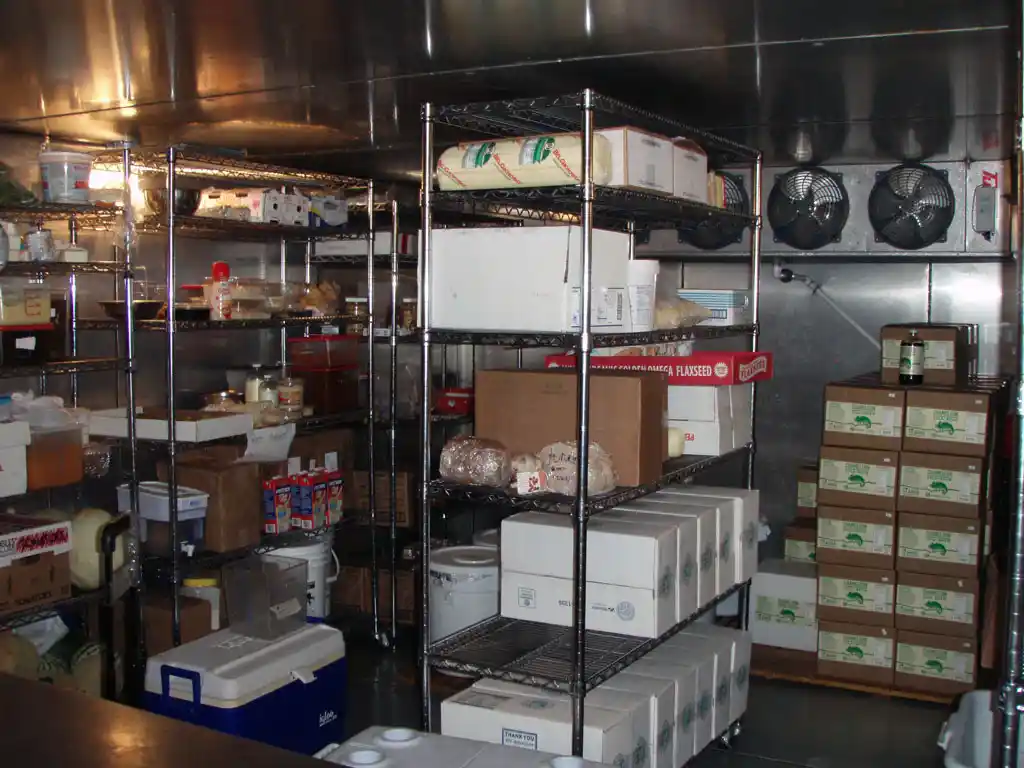
Planning a refrigerator installation for your business can feel overwhelming. There are timelines to manage, equipment to choose, and operations to protect. However, knowing what to expect makes the entire process much smoother.
Silver Springs businesses — along with those in Carson City, Gardnerville, Dayton, and Fernley — rely on commercial refrigeration to protect inventory and serve customers every day. Because of this, a poorly planned installation can cost you time, money, and product.
This guide walks you through every stage of a commercial refrigerator installation. Additionally, it helps you ask the right questions and avoid common mistakes before, during, and after the job.
Why Commercial Refrigerator Installation Requires Professional Help
Commercial refrigeration systems are far more complex than residential units. They involve electrical work, refrigerant handling, and precise calibration. Therefore, this is not a DIY project.
In Nevada, improper refrigerant handling is regulated by the EPA. A licensed technician must recover, recharge, and document refrigerant use. Furthermore, local code compliance affects permits and final inspections.
Working with a professional team protects your investment from day one. It also ensures your equipment runs efficiently and your warranty stays intact.
What Makes Commercial Units Different
Commercial refrigerators handle far heavier workloads than home units. They cycle more frequently and maintain tighter temperature tolerances. For example, a grocery display case must hold precise temps to meet health code requirements.
Moreover, commercial units often connect to centralized refrigeration systems. These systems require specialized knowledge to install and balance correctly. A trained technician understands how each component affects the whole system.
Step-by-Step: What Happens During Installation
Every installation follows a general process. However, the details vary based on your equipment type, building layout, and existing infrastructure. Here is what you can typically expect.
Step 1: Site Assessment and Planning
First, a technician visits your location to assess the space. They measure doorways, check floor load capacity, and review electrical panels. This step is critical for avoiding surprises on installation day.
In Silver Springs and nearby communities like Mound House, older buildings sometimes require electrical upgrades. Additionally, the technician will check ventilation clearances around the unit. Poor airflow causes premature compressor failure.
Next, they confirm your utility connections. Commercial refrigerators often require dedicated circuits. Therefore, an electrician may need to be involved before installation begins.
Step 2: Equipment Selection and Ordering
After the site assessment, your technician helps you choose the right unit. They consider your volume needs, energy efficiency goals, and budget range. Furthermore, they factor in your product type — whether you store beverages, produce, dairy, or frozen goods.
Lead times vary by manufacturer and model. As a result, it is wise to plan installations several weeks in advance when possible. Emergency replacements do happen, but advance planning gives you more options.
At Buffos, our team works with equipment from major manufacturers. We match the right unit to your operation so you are not overpaying for capacity you do not need.
Step 3: Preparing the Space
Before the equipment arrives, the space must be ready. This includes clearing the area, confirming flooring can support the unit’s weight, and ensuring electrical work is complete. Meanwhile, your team should plan how to temporarily store inventory during the transition.
In restaurants along Carson City’s commercial corridors or Gardnerville’s highway districts, minimizing service disruption is essential. Therefore, many businesses schedule installations during off-hours or slower weekdays.
Also, confirm that the delivery path is clear. Commercial refrigerators are heavy and bulky. Doorframes, ramps, and tight hallways can all create problems if not addressed beforehand.
Step 4: Delivery and Placement
On installation day, the equipment arrives and the team positions it carefully. They use dollies and protective padding to avoid floor and wall damage. Furthermore, leveling the unit properly is essential for door seals and drainage to function correctly.
Once in place, the technician begins connecting electrical, plumbing, and refrigerant lines. This phase requires precision. Even a small refrigerant leak can reduce efficiency and damage the compressor over time.
For refrigeration systems that connect to remote condensers or centralized racks, this stage involves additional piping and system balancing. It may take longer than a simple standalone unit installation.
Step 5: System Startup and Calibration
After all connections are made, the technician starts the system. They monitor startup pressures, temperatures, and electrical draw. Additionally, they verify that the thermostat and controls respond correctly.
It typically takes several hours for a commercial unit to reach its target temperature. Therefore, do not load product until the technician confirms the system is holding the correct range. Loading warm product too early stresses the compressor and can delay proper cooling.
Next, the technician documents the system’s baseline readings. These readings serve as a reference point for future maintenance visits. In fact, having these records makes diagnosing future issues much faster.
Step 6: Final Walkthrough and Training
Finally, a good installation team walks you through the equipment before they leave. They explain how to adjust temperature settings, clean condenser coils, and recognize early warning signs. Because of this, your staff is better prepared to protect the equipment long-term.
Ask about recommended maintenance intervals during this walkthrough. Also, confirm who to call if something seems off in the first few days. A reliable service partner will make themselves easy to reach.
Common Challenges During Commercial Refrigerator Installation
Even well-planned installations run into obstacles. However, knowing the most common issues helps you prepare and respond quickly.
Electrical Capacity Issues
Many older commercial buildings in Silver Springs, Dayton, and Stagecoach were not wired for modern high-efficiency commercial equipment. As a result, panel upgrades or additional circuits may be needed. This adds time and cost, but it is a necessary investment for safe operation.
Your technician should flag electrical concerns during the site assessment. Therefore, getting that assessment done early in your planning process is critical.
Tight Access and Layout Constraints
Getting large commercial units through narrow back hallways or up loading docks can be challenging. In addition, floor drains and utility lines sometimes need to be relocated. Planning the delivery route in advance saves significant time on installation day.
Permit and Inspection Delays
Some commercial refrigeration installations require local permits. Meanwhile, inspection schedules vary by jurisdiction. In the Carson City area, your technician can help identify what permits apply and how to expedite the process.
Do not skip permitting to save time. On the other hand, working with an experienced local contractor helps you navigate the process efficiently.
How to Prepare Your Business for Installation Day
A little preparation goes a long way. Here are practical steps to take before your technician arrives.
- Clear the installation area completely at least one day before the job.
- Arrange temporary cold storage for perishable inventory during the transition.
- Confirm electrical work is done before the equipment arrives on site.
- Brief your staff on the schedule so operations adjust smoothly.
- Have your building drawings available if the technician needs to locate utility lines.
- Plan for off-hours installation if your business cannot afford mid-day downtime.
Additionally, communicate openly with your installation team. If something changes — like a delayed delivery or an unexpected repair — let them know right away. Flexibility on both sides keeps the job on track.
Maintenance After Installation: Protecting Your Investment
Installation is just the beginning. Moreover, how you maintain the equipment determines how long it lasts and how efficiently it runs. Commercial refrigeration units require routine attention to deliver full value.
Key Maintenance Tasks to Schedule
- Condenser coil cleaning: Dirty coils force the compressor to work harder. Clean them regularly.
- Door gasket inspection: Worn gaskets allow cold air to escape. Replace them promptly.
- Drain line flushing: Clogged drains cause water damage and mold growth.
- Temperature log reviews: Consistent temperature fluctuations signal a developing problem.
- Refrigerant level checks: Low refrigerant reduces efficiency and can cause compressor failure.
Furthermore, enrolling in a preventive maintenance plan extends equipment life and reduces emergency repair costs. At Buffos, we offer maintenance plans tailored to commercial kitchens, grocers, and other businesses throughout Northern Nevada.
Ready to protect your equipment long-term? Contact our team to learn about maintenance plan options that fit your operation.
Frequently Asked Questions About Commercial Refrigerator Installation
How long does a commercial refrigerator installation typically take?
Most standalone unit installations are completed in a single day. However, larger systems or those requiring electrical upgrades may take longer. Your technician can give you a realistic timeline after the site assessment.
Do I need a permit for commercial refrigerator installation in Nevada?
Permit requirements depend on the scope of work and local jurisdiction. In Carson City and surrounding areas, your licensed contractor can determine whether permits apply. Always follow local code to avoid fines and insurance issues.
When can I load product into the new refrigerator?
Wait until the unit reaches and holds its target temperature before loading product. Your technician will confirm when the system is ready. Loading too early can stress the equipment and compromise food safety.
What size commercial refrigerator does my business need?
Sizing depends on your product volume, turnover rate, and available space. A professional site assessment helps match the right capacity to your needs. Oversizing wastes energy; undersizing leads to overworking the unit.
Can I install a commercial refrigerator myself to save money?
It is strongly not recommended. Commercial refrigeration involves regulated refrigerants, complex electrical connections, and code compliance requirements. Improper installation voids warranties and creates safety risks. Always use a licensed commercial refrigeration technician.
Trust Buffos for Your Silver Springs Commercial Refrigerator Installation
At Buffos Commercial Refrigeration & HVAC Services, we understand how much your business depends on reliable cold storage. Our experienced technicians serve Silver Springs, Carson City, Gardnerville, Dayton, Fernley, and communities throughout Northern Nevada.
We handle the full installation process — from site assessment and equipment selection to startup, calibration, and staff training. Furthermore, we offer ongoing maintenance plans to protect your investment after installation is complete.
Your operation cannot afford downtime. Therefore, we focus on efficient scheduling, clear communication, and workmanship that lasts. Whether you are replacing an aging unit or outfitting a new commercial kitchen, our team is ready to help.
Talk with a commercial refrigeration expert today. Schedule a service call with the Buffos team and get your installation planned the right way from the start.