
A commercial refrigerator acting up is never a small problem. Whether you run a restaurant near Carson City’s downtown district or manage a grocery operation in Gardnerville, a failing unit puts your inventory — and your revenue — at risk. Knowing what to do before help arrives can make a real difference.
Proper refrigeration maintenance is the backbone of any food-service or cold-storage business. However, emergencies still happen even with the best preventive care. Therefore, having a quick-action plan ready can help you protect your products and reduce costly losses while you wait for a technician.
This guide covers the most practical steps Indian Hills business owners can take the moment something goes wrong. Additionally, it explains what information to have ready so your service call goes smoothly from the start.
Stay Calm and Assess the Situation First
Panic leads to hasty decisions. Instead, take a slow walk around the equipment and observe what you actually see. A refrigerator that feels warm might have a simple cause — or it might signal something more serious.
First, check whether the unit is still running at all. Listen for the compressor cycling on and off. Then, look at the temperature display if your unit has one. Meanwhile, note whether any warning lights or error codes are showing on the panel.
Check the Basics Before Anything Else
Many emergency calls turn out to have straightforward causes. Therefore, run through these quick checks before calling for help:
- Power supply: Confirm the unit is plugged in and the breaker has not tripped.
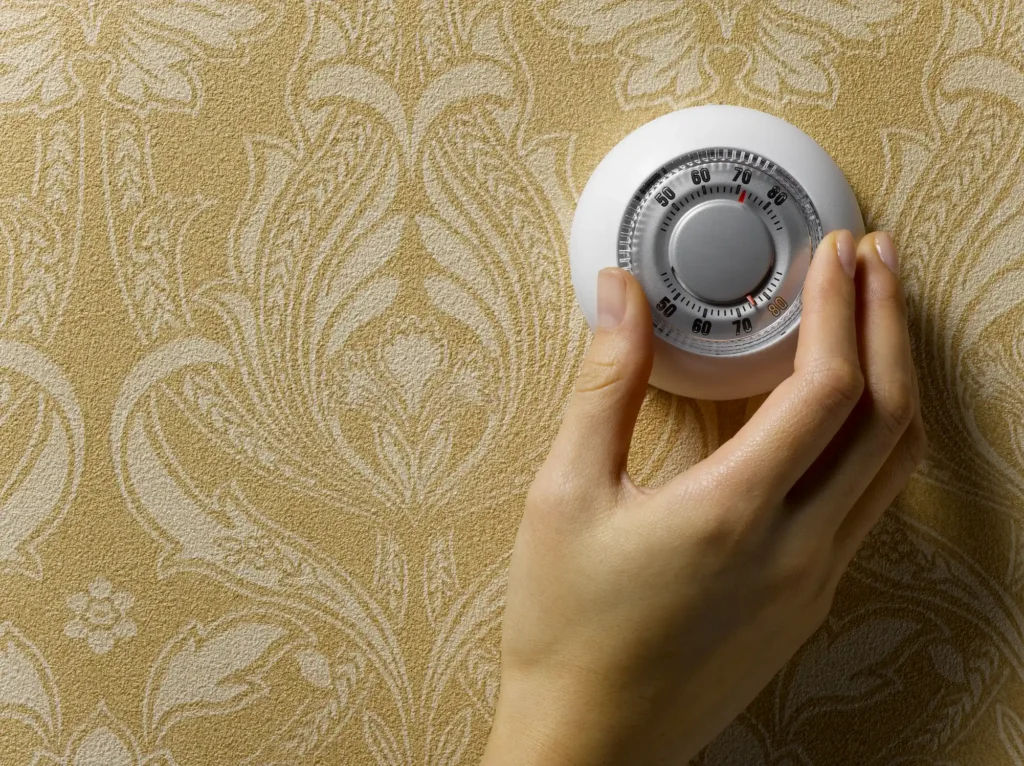
- Thermostat settings: Make sure no one accidentally adjusted the temperature controls.
- Door seals: Look for gaps or damage along the gaskets that could let warm air in.
- Condenser coils: Check for heavy dust or debris blocking airflow around the unit.
- Drain lines: Look for visible water pooling, which can indicate a clogged drain.
Furthermore, check whether nearby equipment recently changed. A new piece of cooking equipment placed too close to a cooler can raise ambient temperatures enough to stress the refrigeration system.
Protect Your Inventory Right Away
Your products cannot wait. As a result, your first priority after a quick assessment is protecting the inventory still inside the unit. Time-sensitive items like dairy, meat, and produce need immediate attention.
Move Perishables Quickly
If temperatures are rising, act fast. Transfer the most temperature-sensitive items to a working unit first. Additionally, use food-grade coolers with ice as a short-term backup for smaller quantities of product.
Indian Hills businesses near the Nevada 395 corridor often have access to neighboring commercial facilities. On the other hand, if you operate independently, contact a nearby restaurant or grocer to ask about temporary cold storage. Most businesses in the Carson City and Gardnerville area are willing to help in a pinch.
Document Everything for Insurance
Before moving anything, take photos and short videos of the unit and its temperature display. Moreover, document the contents still inside. This record is valuable if you need to file an insurance claim for spoiled inventory.
Note the time the problem was discovered. Also, write down any error codes or unusual sounds you noticed. This documentation helps both your insurer and your refrigeration technician understand the full timeline of the event.
Gather Key Information Before You Call
A well-prepared service call saves time and gets your technician on-site faster. Therefore, collect the following details before you pick up the phone.
Know Your Equipment Details
Locate the unit’s model number and serial number. These are usually found on a label inside the door or on the back panel. Additionally, note the brand name and approximate age of the equipment.
If you have maintenance records, pull them out. A technician who knows your unit’s service history can often diagnose problems more quickly. Furthermore, any warranties still in effect need to be confirmed before repairs begin.
Describe the Symptoms Clearly
Think through exactly what you observed and write it down. For example, describe whether the unit is making unusual noises, running constantly without cooling, leaking water, or showing frost buildup in unexpected places.
Be specific about when the problem started. Additionally, mention any recent changes — like a power outage, a delivery of unusually warm product, or a recent cleaning of the condenser coils. These details help your technician arrive prepared with the right tools and parts.
Recognize Warning Signs That Need Immediate Attention
Some refrigeration problems are urgent. Others can wait a few hours without causing significant damage. Knowing the difference helps you prioritize your response.
Signs That Require Urgent Help
Call for service right away if you notice any of the following:
- Burning smell or unusual odors coming from the unit or its motor
- Visible ice buildup on the evaporator coils or refrigerant lines
- Loud grinding or banging sounds from the compressor
- Refrigerant leaks — often noticed as an oily residue near fittings or a hissing sound
- Temperatures rising rapidly despite the unit appearing to run normally
These symptoms suggest internal mechanical or refrigerant-related failures. As a result, they typically cannot be resolved without a licensed technician. Do not attempt to open sealed refrigerant lines or compressor components yourself.
Signs That Allow a Short Window of Time
Meanwhile, some issues are less urgent. For example, minor door gasket damage, a slightly elevated temperature, or a drain line that is slow to clear can often wait a few hours while you arrange service. However, monitor these situations closely and do not assume they will resolve on their own.
Temporary Steps to Slow the Problem
While waiting for your technician, there are a few safe steps that can help stabilize the situation. However, always prioritize safety and avoid actions that could void warranties or worsen the problem.
Improve Airflow Around the Unit
Ensure at least several inches of clearance on all sides of the unit. Move any boxes, supplies, or equipment that may be blocking ventilation. Additionally, keep the area around the condenser clean and free of debris.
If your unit is a walk-in cooler or freezer, check that the door is sealing properly every time it closes. A door left slightly ajar — even briefly — causes the system to work much harder. Therefore, remind your staff to close the door fully during the wait for repairs.
Reduce the Load on the Unit
Avoid opening the unit more than necessary. Furthermore, do not add warm product to a struggling refrigerator. Every unnecessary door opening lets heat in and forces the system to work harder under already stressed conditions.
Also, avoid stacking product directly against the evaporator coils or air vents inside the unit. Proper air circulation inside the cabinet is essential for even cooling. This simple step can help preserve temperatures longer during an emergency.
Why Indian Hills and Northern Nevada Businesses Need a Refrigeration Partner
Indian Hills sits in the western Nevada corridor between Carson City and Gardnerville, where commercial activity spans restaurants, specialty retailers, and service businesses. Because of this, fast and reliable refrigeration service matters enormously to local operations.
The region’s climate adds another layer of complexity. During Nevada’s summer heat waves, outdoor ambient temperatures place extra stress on condensers and compressor systems. In contrast, cold winter snaps can affect equipment performance differently, especially for rooftop-mounted or outdoor refrigeration systems in communities like Minden, Genoa, and Smith Valley.
Moreover, the distance from major metro service centers makes it especially important to work with a local team that understands Northern Nevada conditions and can respond quickly. A well-established preventive refrigeration maintenance plan is the most reliable way to avoid these emergency situations entirely.
Frequently Asked Questions
What should I do first if my commercial refrigerator stops cooling?
First, check the power supply, thermostat, and breaker. Next, listen for the compressor and look for error codes. If those basics check out and the unit is still not cooling, call a licensed technician right away.
How long can food stay safe in a commercial refrigerator that has lost power?
This depends on the starting temperature, the amount of product inside, and whether the door stays closed. Generally, a full unit holds temperature longer than an empty one. However, you should monitor product temperatures closely and follow food safety guidelines for your specific items.
Can I add ice to a walk-in cooler to buy time during a breakdown?
Yes, in some situations this can help stabilize temperatures temporarily. However, it is not a substitute for professional repair. Additionally, placing ice directly on certain products can cause quality issues. Use sealed ice containers or dry ice with care and proper ventilation.
What information should I have ready when I call for refrigeration service?
Have the unit’s brand, model number, serial number, and age ready. Additionally, describe the symptoms clearly — including any error codes, unusual sounds, and when the problem started. This helps the technician arrive prepared.
How can regular maintenance help prevent refrigeration emergencies?
Routine maintenance catches small problems before they become serious failures. For example, cleaning condenser coils, checking refrigerant levels, and inspecting door gaskets on a regular schedule significantly reduces the risk of unexpected breakdowns. Talk with an HVAC and refrigeration expert to set up a maintenance plan that fits your operation.
Call Buffos When Your Refrigeration System Needs Help
When a commercial refrigeration emergency strikes in Indian Hills, every minute counts. Buffos Commercial Refrigeration & HVAC Services serves businesses throughout Carson City, Gardnerville, and the surrounding Northern Nevada communities with fast, dependable service.
Our experienced technicians handle walk-in coolers and freezers, reach-in units, ice machines, and complete HVAC systems. Furthermore, we offer preventive maintenance plans designed to reduce downtime and protect your investment over the long term.
Do not wait until a minor issue becomes a major loss. Contact our team today to schedule a service call or discuss a maintenance plan that keeps your equipment running reliably all year long.