A commercial refrigeration failure can stop your business cold — literally. Whether you run a restaurant on Carson Street in Carson City, a grocery store in Gardnerville, or a food service operation in Minden or Dayton, a failing cooler puts your inventory and your revenue at risk. Knowing what to do before you call for refrigeration service can mean the difference between a manageable situation and a costly loss.
The good news is that many business owners can take smart, immediate steps to limit damage. These actions do not replace a professional repair. However, they can protect your product and give your technician a clearer picture of the problem when they arrive.
In this guide, the Buffos team walks you through practical emergency steps, common warning signs, and what to expect when you call for commercial refrigeration service in the Northern Nevada area.
Stay Calm and Assess the Situation First
When your walk-in cooler or refrigeration unit starts acting up, the first instinct is often panic. However, taking a moment to assess the situation can help you make better decisions. Start by checking the basics before assuming the worst.
Check Power and Controls
First, verify that the unit is still receiving power. Check your circuit breaker panel for a tripped breaker. Next, look at the unit’s control panel for any error codes or warning lights. Many modern commercial units display fault codes that tell you exactly what triggered the alarm.
Also, confirm that the thermostat or temperature controller is set correctly. Sometimes a setting gets bumped accidentally. Additionally, check that no one turned the unit off manually during a cleaning cycle and forgot to turn it back on.
Check the Condenser and Airflow
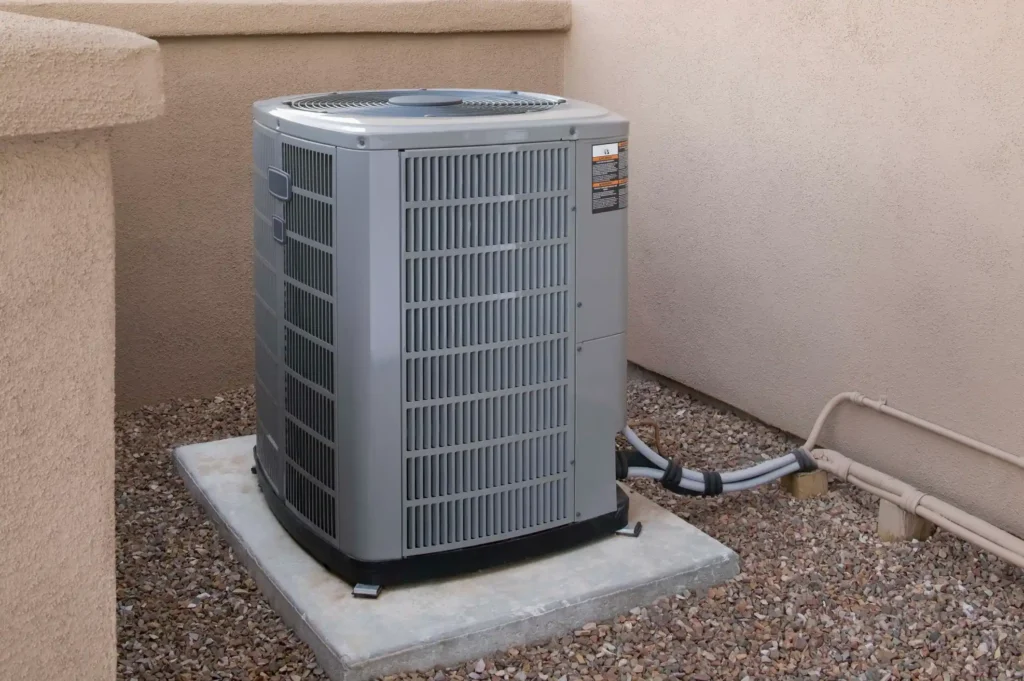
A blocked condenser is one of the most common causes of refrigeration problems. Look at the condenser coils and surrounding area for debris, dust buildup, or blocked airflow. Because of this kind of blockage, the unit cannot release heat properly and the temperature rises quickly.
Make sure nothing is stacked against the unit or blocking the air intake. This is especially important in busy kitchens and stockrooms where space is often limited.
Protect Your Inventory Right Away
Your product is your priority. Therefore, act quickly to minimize loss while you wait for your service call.
Move Temperature-Sensitive Items
Transfer the most perishable items to another working cooler or freezer as soon as possible. If you have a second unit on-site, use it. For example, move proteins, dairy, and prepared foods first. These items spoil fastest and carry the highest cost.
If you do not have a backup unit, contact neighboring businesses in your area. Many restaurants and food service operations in the Carson City and Gardnerville business districts are willing to help in a pinch. In addition, dry ice or commercial ice bags from a local supplier can help maintain safe temperatures temporarily.
Keep the Door Closed
This step sounds simple, but it matters a great deal. Keep the cooler or freezer door closed as much as possible. Every time you open it, cold air escapes and the internal temperature rises faster. Furthermore, limiting door openings reduces stress on any remaining cooling capacity the unit has left.
Post a sign on the door if necessary. Make sure all staff members know to keep it shut until the technician arrives.
Document the Temperature
Use a food-safe thermometer to check and record the current internal temperature. This information is valuable for two reasons. First, it helps you determine whether stored product is still safe. Second, it gives your service technician a data point that helps with diagnostics.
Most regulatory guidelines for commercial food storage set thresholds for safe holding temperatures. When in doubt, follow your local health department guidelines for product safety.
Identify and Note the Warning Signs
Before your technician arrives, take note of everything unusual. This information speeds up the diagnostic process and helps get your unit back online faster.
Common Symptoms to Watch For
- Ice buildup on coils or walls: This often points to a defrost system issue or a refrigerant problem.
- Warm air blowing from the unit: The compressor or refrigerant circuit may be failing.
- Unusual noises: Clicking, grinding, or rattling sounds often indicate a mechanical issue with the fan motor or compressor.
- Water pooling on the floor: A blocked or frozen drain line is a frequent culprit.
- Frequent cycling on and off: This can signal a dirty condenser, a failing thermostat, or an electrical issue.
- Visible frost on the door gaskets: Worn or damaged door seals allow warm air in and cause the unit to overwork.
Write down when the problem started and whether anything unusual happened beforehand. For example, did the unit make a strange noise the night before? Did someone recently clean the unit or adjust the settings? These details help your technician diagnose the issue quickly.
What to Tell Your Service Technician
When you call for commercial refrigeration service, having the right information ready saves time. Therefore, prepare the following before you make that call.
Key Information to Have Ready
- Make and model of the unit: This is usually on a label inside the door or on the back of the equipment.
- Age of the equipment: If you know it, approximate age helps the technician prepare the right parts.
- Description of the symptoms: Be specific. Mention sounds, temperatures, error codes, and when the problem started.
- Recent maintenance history: When was the last time the unit was serviced or cleaned?
- Location and access details: Let the tech know if the unit is in a tight space or requires special access.
The more clearly you can describe the problem, the faster your technician can diagnose and repair it. Moreover, this preparation can reduce the total time the unit is down.
Mistakes to Avoid During a Refrigeration Emergency
In a stressful moment, it is easy to make decisions that can worsen the situation. Here are a few things to avoid.
Do Not Attempt Major Repairs Yourself
Commercial refrigeration systems involve high-voltage electrical components and pressurized refrigerant lines. Attempting a DIY repair without proper training can be dangerous. Furthermore, it may void your equipment warranty or create a more costly problem for your technician to fix.
It is fine to check breakers, clear visible obstructions, or adjust settings. However, anything beyond the basics should be left to a licensed commercial refrigeration professional.
Do Not Ignore the Problem
A minor issue can escalate quickly in a hot commercial kitchen or during a Nevada summer heat wave. What starts as a slightly warmer-than-normal cooler can turn into a complete compressor failure within hours. Therefore, call for service as soon as you notice a problem — do not wait to see if it resolves on its own.
Businesses in Fallon, Fernley, and across Douglas County know firsthand how quickly temperatures can climb in the summer months. Acting fast protects both your equipment and your inventory.
Do Not Overload the Unit
When a refrigeration unit is struggling, overloading it with warm product makes the situation worse. Avoid restocking the unit until it has been inspected and repaired. Additionally, leave space around products for airflow inside the unit, even when it is running normally.
When Preventive Maintenance Could Have Helped
Many emergency refrigeration failures are preventable. Regular maintenance by a qualified technician catches small problems before they become major breakdowns. In addition, routine service keeps your equipment running efficiently, which lowers your energy costs over time.
The Buffos team serves restaurants, grocers, and commercial businesses across Carson City, Gardnerville, Minden, and surrounding Northern Nevada communities. We provide scheduled maintenance programs designed to extend equipment life and reduce the risk of unexpected failures.
If your equipment has not been serviced recently, we recommend scheduling an inspection — especially before the peak summer season when cooling systems are under maximum stress.
Frequently Asked Questions About Commercial Refrigeration Emergencies
How long can a walk-in cooler hold temperature after it stops working?
This depends on the size of the unit, how full it is, and the ambient temperature. A well-insulated walk-in cooler can hold safe temperatures for a few hours. However, you should begin protecting your product immediately rather than waiting to see what happens.
Should I turn the unit off if it is making strange noises?
Not necessarily. Some noises, like a humming compressor, are normal. If you hear grinding, loud clicking, or burning smells, shut the unit off and call for service right away. In addition, document the noise as best you can to help your technician diagnose the issue.
Can I use a portable cooler or dry ice as a temporary solution?
Yes, both are good short-term options for protecting perishable inventory. However, they are not long-term fixes. Call for professional refrigeration service as soon as possible to get your unit back online safely.
What if my refrigeration unit keeps tripping the breaker?
A repeatedly tripping breaker is a sign of an electrical problem or an overloaded circuit. Do not keep resetting it without finding the cause. Call a qualified refrigeration technician to inspect the unit and the electrical connection before continuing to operate it.
How do I know if my product is still safe after a temperature excursion?
Follow your local health department food safety guidelines. When in doubt, discard product that has been held above safe temperatures for more than a short period. Furthermore, document the incident for your records and for any insurance or health inspection purposes.
Get Fast, Reliable Commercial Refrigeration Service in Northern Nevada
A refrigeration emergency is stressful, but you do not have to handle it alone. The Buffos team is here to help businesses across Carson City, Gardnerville, Minden, Dayton, and the surrounding Northern Nevada region with fast diagnostics and dependable repairs.
We understand how costly downtime is. Therefore, we focus on rapid response, honest recommendations, and lasting repairs that get your equipment back online and your business running. Whether you need an emergency service call or want to set up a preventive maintenance plan, we are ready to help.
Contact our team today to schedule a service call or speak with a commercial refrigeration expert about your equipment needs. We are proud to serve the businesses that keep Northern Nevada fed, cooled, and comfortable.