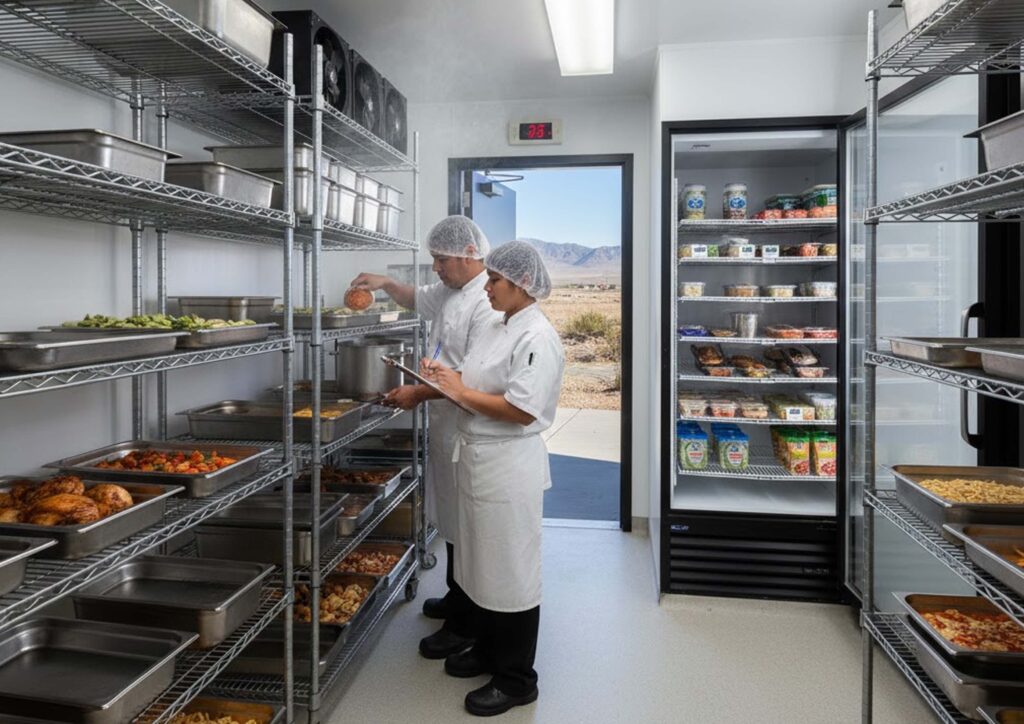
For restaurants, grocery stores, convenience stores, and food service operations in Minden, NV, food loss directly impacts profitability. In Nevada’s extreme summer heat, refrigeration systems operate under constant strain, and even minor cooling failures can lead to spoilage within hours.
Implementing best practices for food safety cooling is one of the most effective ways to prevent inventory loss, reduce waste, and maintain compliance year-round.
Why Food Loss Is a Greater Risk in Minden, NV
Minden’s high-desert climate presents serious cooling challenges:
- Triple-digit summer temperatures
- Extended compressor run times
- Increased condenser workload
- Higher ambient kitchen and storage heat
When refrigeration systems are stressed, temperature fluctuations become more likely. Without proper commercial refrigeration service and food safety protocols, perishable products can quickly enter the temperature danger zone (40°F–140°F).
Proactive cooling practices reduce this risk significantly.
Maintaining Safe Storage Temperatures
Consistent temperature control is the foundation of food safety.
Required temperature ranges:
- Walk-in coolers: 35°F–38°F
- Reach-in refrigerators: Below 40°F
- Walk-in freezers: 0°F or below
Maintaining these ranges prevents bacterial growth and product degradation.
Routine commercial refrigeration maintenance ensures thermostats, sensors, and airflow systems are calibrated correctly—especially during peak summer heat.
Proper Cooling Procedures for Hot Foods
Improper cooling of cooked foods is a leading cause of spoilage and health code violations.
Food should cool from:
- 140°F to 70°F within 2 hours
- 70°F to 41°F within 4 additional hours
Best practices include:
- Using shallow pans
- Dividing large batches into smaller portions
- Avoiding sealed containers during initial cooling
- Using ice baths or blast chillers when available
Placing large quantities of hot food directly into a walk-in cooler can overload the system, causing temperature spikes that affect surrounding products.
Monitoring and Logging Temperatures Daily
Temperature monitoring allows early detection of cooling issues before food is compromised.
Best practices include:
- Logging temperatures multiple times daily
- Using calibrated digital thermometers
- Checking both ambient air and product temperatures
- Training staff to report abnormalities immediately
Consistent monitoring reduces the likelihood of emergency refrigeration repair situations.
Maintaining Airflow to Protect Cooling Efficiency
Blocked airflow is a common and preventable cause of food loss.
Avoid:
- Overstocking walk-in shelves
- Blocking evaporator fans
- Placing products against return vents
- Overloading display cases
Proper airflow ensures even cooling and prevents hot spots—especially important in Minden’s extreme heat.
Preventative Maintenance Reduces System Failures
Structured commercial refrigeration service is essential for preventing unexpected breakdowns.
Routine maintenance should include:
- Condenser coil cleaning
- Refrigerant pressure checks
- Leak detection
- Electrical inspections
- Thermostat calibration
- Drain line clearing
- Airflow testing
For businesses serving Nevada and surrounding areas, quarterly service—plus pre-summer inspections—greatly reduces emergency walk-in cooler repair and walk-in freezer service calls.
Upgrading Aging Equipment Prevents Repeated Loss
If your system is:
- 10–15+ years old
- Frequently requiring restaurant refrigeration repair
- Struggling during hot afternoons
- Using outdated refrigerant
It may be time to consider commercial refrigeration installation.
Modern systems offer:
- Improved energy efficiency
- More consistent temperature control
- Reduced compressor strain
- Advanced monitoring systems
Upgrading before failure prevents costly spoilage events.
Preparing for Peak Summer Heat
Before temperatures rise in Minden:
- Schedule a full system inspection
- Clean condenser coils
- Verify refrigerant charge levels
- Check door seals and gaskets
- Test thermostats and sensors
Preparation significantly reduces summer-related cooling failures.
Emergency Response Planning Protects Inventory
Even with best practices, emergencies can occur.
A food safety plan should include:
- Access to 24/7 emergency refrigeration repair
- Clear inventory relocation procedures
- Staff training on emergency protocols
Rapid response limits product loss during unexpected system failures.
Frequently Asked Questions
How quickly can food spoil during refrigeration failure?
In Nevada’s summer heat, food can enter unsafe temperature ranges within hours if cooling stops.
What’s the most common preventable cooling issue?
Dirty condenser coils and refrigerant leaks are among the most common and avoidable causes of failure.
How often should refrigeration systems be serviced?
Most businesses benefit from quarterly commercial refrigeration maintenance, with additional inspections before summer.
Can better cooling practices really reduce food waste?
Yes. Consistent monitoring and preventative service significantly reduce spoilage and shrinkage.
Protect Your Business With Buffo’s Refrigeration
Buffo’s Refrigeration is a trusted commercial refrigeration repair company serving Nevada and surrounding areas. We specialize exclusively in commercial systems and understand the cooling challenges businesses face in Minden’s extreme climate.
Our services include:
- Commercial refrigeration service
- Walk-in cooler repair
- Walk-in freezer service
- Restaurant refrigeration repair
- Commercial refrigeration maintenance
- 24/7 emergency refrigeration repair
- Commercial refrigeration installation
- Commercial HVAC services
Our experienced technicians provide dependable service and preventative maintenance programs designed to protect your inventory and reduce downtime.
Schedule Food Safety Refrigeration Service Today
Don’t let cooling failures lead to costly food loss.
Contact Buffo’s Refrigeration today for expert commercial refrigeration service in Minden, NV.
📞Call Us For A Free Quote 775-782-8204 | Buffos-Refrigeration.com