
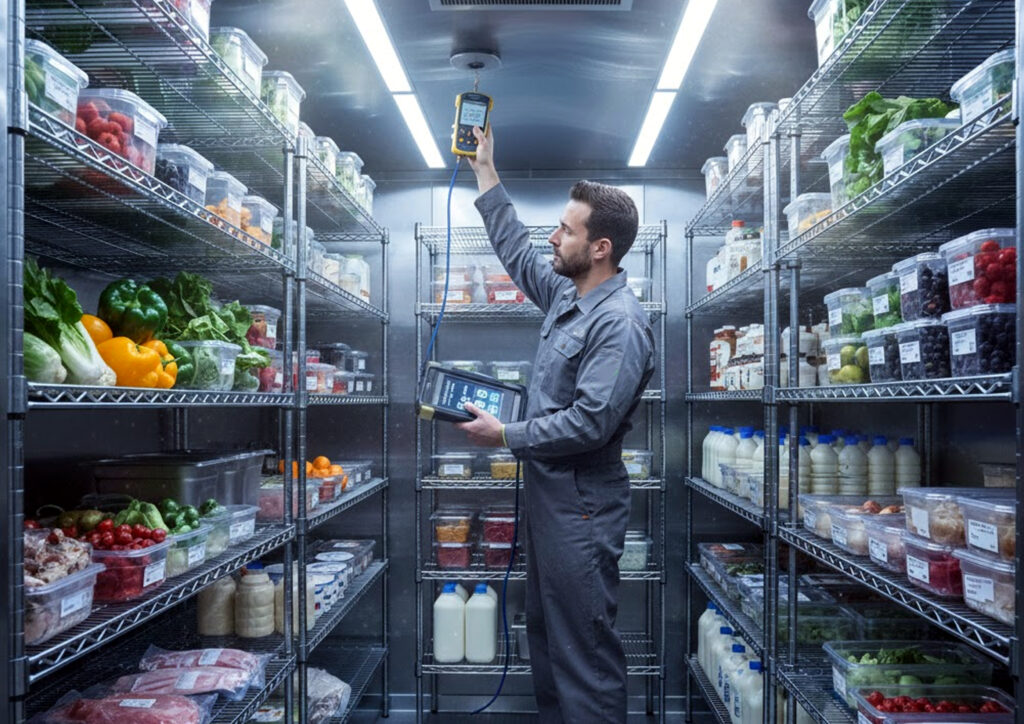
When you think about keeping food fresh, your focus probably goes straight to temperature control and refrigeration performance. But there’s another key factor that often goes unnoticed—indoor air quality. The air inside your facility can directly affect how well your food stays fresh, safe, and ready for customers.
At Buffo’s Refrigeration, we help Nevada businesses maintain both proper cooling and clean indoor air to protect their inventory and uphold the highest standards of food safety. Here’s why air quality matters more than you might think.
Why Air Quality Matters in Food Storage
Air isn’t just air—it carries moisture, temperature, and even contaminants that can influence how food behaves in storage. Poor indoor air quality (IAQ) can lead to excess humidity, temperature fluctuations, and the spread of bacteria or mold spores that compromise your food’s freshness.
In walk-in coolers, freezers, and storage areas, controlling air quality helps ensure consistent temperatures and prevents the conditions that allow spoilage or contamination.
Humidity and Moisture Control
Humidity is one of the most important air quality factors in food storage. Too much moisture in the air can lead to condensation on walls, packaging, and food surfaces. Over time, that extra moisture encourages bacterial growth, mold, and food degradation.
On the other hand, overly dry air can cause certain foods—like produce and meats—to lose moisture too quickly, affecting texture and appearance.
Maintaining balanced humidity is especially challenging in Nevada, where outdoor conditions range from humid summers to dry, cold winters. Regular HVAC and refrigeration maintenance help stabilize humidity levels, preventing moisture buildup and protecting your stored goods.
Temperature Consistency and Air Circulation
Air quality directly influences how effectively your refrigeration system distributes cold air throughout storage spaces. Poor air circulation or ventilation can create warm or cold spots that lead to uneven cooling.
For example:
- Warm pockets in a walk-in cooler can allow bacteria to multiply in perishable items.
- Excessive airflow or improperly directed vents can cause freezing or dehydration in certain products.
A well-maintained HVAC and refrigeration system keeps air moving evenly, ensuring all areas of your cooler or storage room stay within safe temperature ranges.
Odors, Contaminants, and Cross-Contamination
Airborne contaminants such as cleaning chemicals, cooking fumes, or spoiled product odors can circulate into food storage areas if ventilation is poor. These particles can alter the smell and taste of stored food or create an environment where bacteria thrive.
Proper ventilation, clean air filters, and separated airflow systems between kitchen and storage areas are critical to maintaining safe, odor-free food storage.
Impact on Refrigeration Efficiency
Poor air quality doesn’t just affect the food—it also impacts your equipment. Excess humidity and airborne dust can lead to frost buildup, clogged evaporator coils, and reduced airflow, forcing your refrigeration units to work harder. This not only raises energy costs but also shortens equipment lifespan.
Routine maintenance from Buffo’s Refrigeration ensures that coils, filters, and fans remain clean and efficient, keeping your air—and your food—fresh.
Maintaining Good Indoor Air Quality
Improving indoor air quality requires consistent attention to both your HVAC and refrigeration systems. Here are some key practices:
- Keep air filters clean and replace them regularly
- Maintain proper ventilation in kitchens and storage areas
- Inspect and clean evaporator and condenser coils
- Schedule preventative maintenance for both HVAC and refrigeration systems
- Avoid blocking vents or airflow paths inside coolers
Buffo’s Refrigeration offers customized maintenance programs for Nevada businesses that address both temperature and air quality control keeping food fresh, safe, and compliant with health regulations.
FAQs About Air Quality and Food Storage
How does humidity affect food storage?
High humidity promotes mold and bacterial growth, while low humidity can dry out produce and meats. Maintaining balanced humidity keeps food fresher longer.
Can poor ventilation affect food quality?
Yes. Poor ventilation can cause uneven temperatures and trap odors or contaminants that degrade food quality over time.
How often should air filters and coils be cleaned?
In commercial environments, filters should typically be checked monthly and coils cleaned every few months—or more often during heavy use seasons.
Schedule Service Today
Protect your inventory and your bottom line by improving indoor air quality. Contact Buffo’s Refrigeration today to schedule a professional inspection or preventative maintenance service. We proudly serve Nevada and surrounding areas with reliable, expert HVAC and refrigeration solutions for businesses that depend on consistent, safe food storage.
📞Call Us For A Free Quote 775-782-8204 | Buffos-Refrigeration.com