Nevada summers are no joke. In communities like Verdi, Carson City, and Gardnerville, temperatures regularly climb into the upper 90s and beyond. For business owners who rely on commercial cooling systems, that kind of heat creates real problems fast.
When outdoor temperatures spike, your refrigeration and HVAC equipment works harder than ever. Additionally, that added strain can push aging or poorly maintained systems right to the breaking point. The result is downtime, lost inventory, and frustrated customers.
Understanding how Nevada heat affects your equipment is the first step toward protecting your business. Therefore, this guide covers what you need to know and how to stay ahead of costly failures.
Why Nevada Heat Is Especially Hard on Commercial Equipment
Northern Nevada has a high-desert climate. Because of this, temperatures can swing dramatically between daytime highs and cool nights. However, during peak summer months, those daytime highs stay elevated for weeks at a time.
Commercial cooling systems are designed to operate within a range of ambient temperatures. When outdoor heat pushes past that range consistently, equipment runs longer cycles and generates more wear. Furthermore, dust and dry air common across the Truckee Meadows area can clog components and reduce efficiency.
In short, Nevada’s climate is one of the toughest environments for commercial refrigeration and HVAC equipment anywhere in the region.
The Role of Ambient Temperature in System Performance
Every commercial cooling unit has a rated operating range. When ambient temperatures exceed that range, the system struggles to reject heat properly. As a result, compressors run hotter and work harder to maintain set temperatures.
Over time, this repeated stress shortens equipment life. Moreover, it drives up your energy bills significantly during the months when your margins may already be tight.
Dry Air and Dust: Hidden Threats to Your Equipment
The high-desert environment around Verdi and Reno brings very dry air and fine dust. These particles collect on condenser coils and air filters quickly. Additionally, dry conditions can cause gaskets and seals to dry out faster than in more humid climates.
Dirty condenser coils are one of the most common causes of compressor failure. Therefore, keeping coils clean is one of the simplest and most effective ways to protect your investment.
How Heat Affects Walk-In Coolers and Freezers
Walk-in coolers and freezers are workhorses in restaurants, grocery stores, and food service operations across Carson City and Gardnerville. However, they are also highly vulnerable to Nevada’s summer heat.
When the air surrounding a walk-in unit is extremely hot, the refrigeration system must work much harder to maintain safe storage temperatures. First, the compressor runs longer cycles. Then, the condenser struggles to shed heat into already-hot outdoor air. Finally, internal temperatures can start to drift if the system cannot keep up.
Signs Your Walk-In Is Struggling in the Heat
Business owners should watch for these warning signs during hot weather:
- Rising internal temperatures that do not recover quickly after the door is opened
- Compressor running constantly without cycling off
- Ice buildup on evaporator coils, which can signal airflow or refrigerant issues
- Unusual noises from the condensing unit
- Higher-than-normal energy bills during summer months
If you notice any of these signs, it is time to request a service call before a minor issue becomes a major failure.
Protecting Your Inventory During a Heat Event
Lost inventory is one of the most painful consequences of a cooling failure. For example, a grocery store in the Gardnerville Ranchos area could lose thousands of dollars of perishables if a walk-in goes down over a weekend. Meanwhile, a restaurant near downtown Carson City faces the same risk every day of the busy summer season.
Preventive maintenance is the most reliable way to protect your stock. Additionally, having a trusted service partner you can call for emergency repairs makes a significant difference in how quickly you recover from unexpected failures.
HVAC Systems and the Summer Heat Challenge
Commercial HVAC systems face their own set of challenges during Nevada summers. Rooftop units serving businesses in Verdi, Minden, and Dayton work continuously to keep indoor spaces comfortable for staff and customers.
High ambient temperatures reduce the efficiency of air conditioning systems significantly. As a result, units that are undersized or poorly maintained cannot keep pace with demand. Furthermore, businesses with large open spaces or high foot traffic see this problem compounded during peak hours.
Common HVAC Problems During Hot Weather
Several issues tend to appear or worsen during periods of extreme heat:
- Refrigerant leaks that reduce cooling capacity at the worst possible time
- Clogged air filters that restrict airflow and cause the system to overheat
- Failing capacitors that prevent compressors and fan motors from starting
- Condenser coil fouling from dust and debris accumulation
- Thermostat malfunctions that cause the system to short-cycle or run continuously
Many of these issues are preventable with regular inspections and maintenance. Therefore, scheduling a pre-summer tune-up is one of the smartest investments a business owner can make.
Rooftop Units in High-Desert Conditions
Rooftop units are common on commercial buildings throughout the Carson Valley and Truckee Meadows area. However, rooftop placement exposes equipment to intense direct sunlight, high winds, and temperature extremes.
On a hot summer day, rooftop surface temperatures can be dramatically higher than ambient air temperature. Because of this, rooftop units must work even harder to reject heat than ground-level equipment. Moreover, UV exposure can degrade wiring insulation and other components over time.
Regular rooftop inspections help catch these issues early. Additionally, keeping the area around units clear of debris ensures proper airflow and reduces strain on the system.
Preventive Maintenance: Your Best Defense Against Heat-Related Failures
The most effective way to protect your cooling systems in Nevada heat is a consistent preventive maintenance program. Furthermore, businesses that invest in regular maintenance typically experience fewer emergency breakdowns and lower overall repair costs.
A thorough commercial refrigeration and HVAC maintenance visit typically includes:
- Cleaning condenser and evaporator coils
- Checking and topping off refrigerant levels as needed
- Inspecting electrical connections and components
- Replacing air filters
- Testing thermostat and control accuracy
- Lubricating moving parts
- Inspecting door gaskets and seals on walk-in units
Each of these steps directly reduces the stress on your equipment during hot weather. As a result, your systems run more efficiently and last longer.
How Often Should You Schedule Maintenance?
For most commercial operations in the Verdi, Carson City, and Gardnerville areas, a minimum of two maintenance visits per year is recommended. However, high-volume operations like busy restaurants or grocery stores may benefit from quarterly service.
Talk with an HVAC and refrigeration expert to determine the right schedule for your specific equipment and business type. In addition, a professional can identify any existing issues that need attention before summer heat arrives in full force.
Emergency Repairs: What to Do When a System Goes Down
Even with excellent maintenance, equipment can fail. In Nevada’s summer heat, a cooling failure is an urgent situation. Therefore, knowing what to do immediately can limit damage and downtime.
First, check whether the issue is something simple like a tripped breaker or a clogged filter. Next, move any perishable inventory to backup storage if available. Then, contact a qualified commercial refrigeration technician as soon as possible.
Avoid the temptation to delay a call. Moreover, small issues left unaddressed in hot weather can escalate into expensive compressor replacements or full system failures very quickly.
Frequently Asked Questions About Cooling Systems and Nevada Heat
How does extreme heat affect my commercial refrigerator or freezer?
Extreme heat forces your unit’s compressor to run longer and harder to maintain safe temperatures. As a result, components wear out faster and energy costs rise. Regular maintenance helps your equipment handle heat stress more effectively.
What temperature is too hot for my outdoor condensing unit?
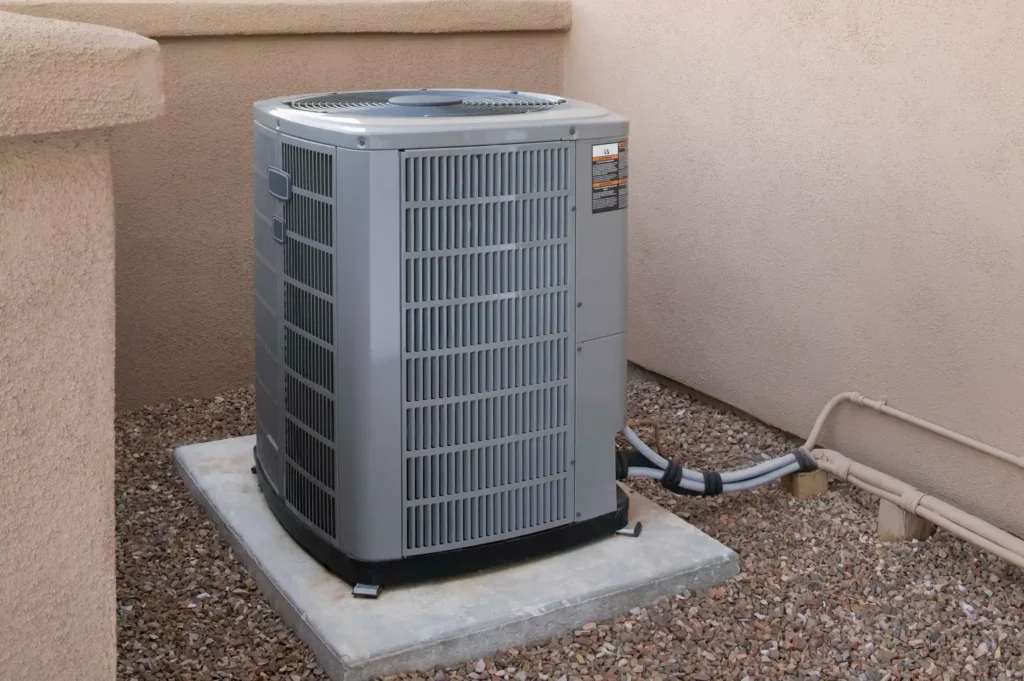
Most commercial condensing units have a maximum rated ambient temperature. However, many units begin to lose efficiency well before reaching that limit. If outdoor temperatures are consistently very high, your system may need professional evaluation to ensure it is sized and operating correctly.
Can I prevent my walk-in cooler from failing during a heat wave?
Preventive maintenance significantly reduces the risk of failure. Additionally, keeping condenser coils clean, ensuring proper airflow around the unit, and scheduling pre-summer inspections all help protect your walk-in during heat events.
How quickly can Buffos respond to an emergency cooling failure?
The Buffos team serves businesses across Carson City, Gardnerville, Verdi, and nearby communities with fast response times. Because downtime is so costly, we prioritize getting your equipment back online as quickly as possible.
Is it worth replacing aging equipment before summer?
In many cases, yes. Older systems are far more likely to fail under heat stress. Furthermore, newer equipment is more energy-efficient, which can lower your operating costs significantly. Explore your options by speaking with our team before peak season hits.
Protect Your Business with Buffos Commercial Refrigeration & HVAC Services
Nevada heat is relentless, and your commercial cooling systems deserve expert care. Whether you operate a restaurant on Carson Street, a grocery store in Gardnerville, or a business in Verdi or Minden, the Buffos team is ready to help you stay cool and operational all summer long.
We specialize in commercial refrigeration, walk-in coolers and freezers, ice machines, rooftop HVAC units, and complete heating and air conditioning systems. Additionally, our technicians understand the unique demands of Northern Nevada’s high-desert climate and what it takes to keep equipment running reliably through the hottest months of the year.
Do not wait for a failure to take action. Contact our team today to schedule a maintenance visit, request a service call, or discuss a preventive maintenance plan that fits your business. We are here to keep your equipment running and your business protected.