
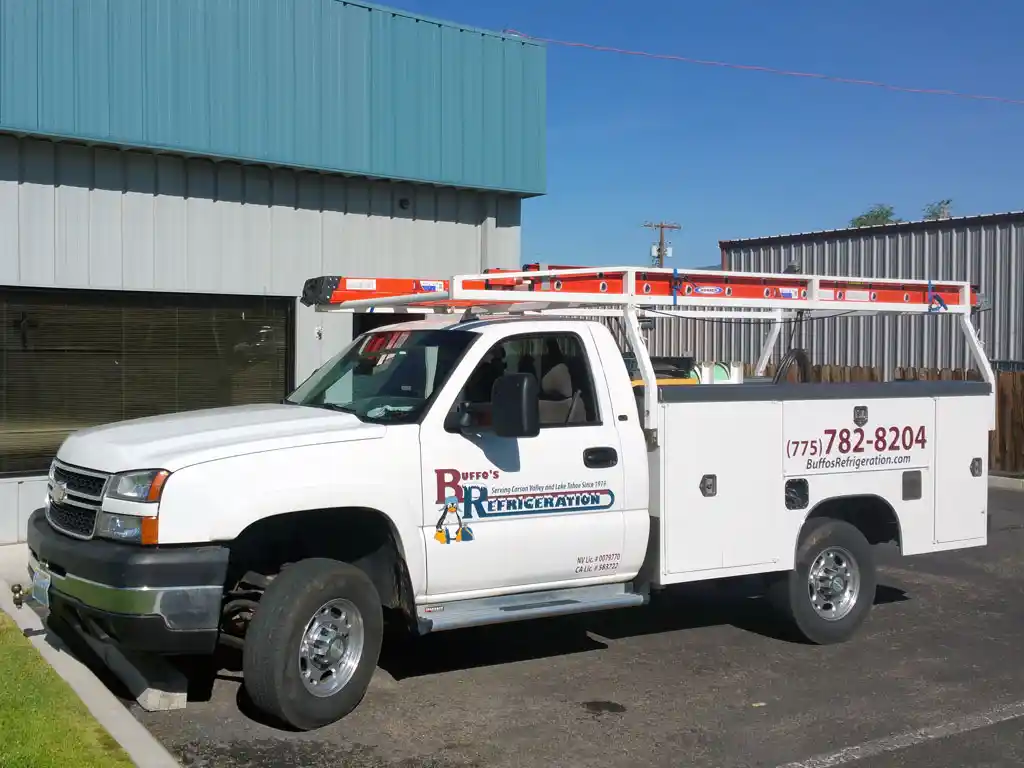
Your restaurant’s refrigeration system works hard every single day. When it starts to fail, the warning signs can be subtle at first. Catching those signs early can save you thousands in spoiled inventory and emergency repairs. If you suspect a problem, contact the Buffos team right away before a small issue becomes a costly breakdown.
Restaurants in Gardnerville, Carson City, Minden, and across the Carson Valley region depend on reliable refrigeration to stay open. A failing walk-in cooler puts your food safety, your reputation, and your bottom line at risk. Therefore, knowing what to look for is one of the smartest investments you can make as a business owner.
Below, we walk you through the most common warning signs that your restaurant refrigeration is in trouble. We also cover what to do next and when to call a professional for walk in cooler repair.
Why Early Detection Matters for Commercial Refrigeration
Commercial refrigeration failures rarely happen without warning. In most cases, the system sends signals days or even weeks before a complete breakdown. However, busy restaurant owners often overlook these signs until food starts spoiling.
Early detection protects your inventory. It also prevents small mechanical problems from escalating into major repairs. Furthermore, catching issues early often means shorter repair times and less disruption to your kitchen operations.
Restaurants in Gardnerville and throughout Douglas County operate in a demanding environment. Summer heat and winter cold both put extra stress on refrigeration equipment. Because of this, seasonal transitions are a particularly important time to pay close attention to how your system is performing.
Common Warning Signs Your Walk-In Cooler Is Failing
Every restaurant owner should know these red flags. Some are obvious, while others are easy to dismiss. Additionally, some signs appear together, which makes the situation more urgent.
1. Temperature Fluctuations Inside the Unit
Your walk-in cooler should hold a steady, consistent temperature. If staff notices the interior feels warmer than usual, that is a serious warning. Moreover, if temperatures swing up and down throughout the day, the system is struggling.
Fluctuating temperatures can indicate a failing compressor, low refrigerant levels, or a problem with the door seals. As a result, food safety becomes an immediate concern. Schedule an inspection as soon as you notice inconsistent temperatures.
2. Ice Buildup or Frost on Interior Walls
A thin layer of frost is normal in walk-in freezers. However, heavy ice buildup on the walls, ceiling, or evaporator coils is a warning sign. It often points to a defrost system failure or airflow problems.
Excessive frost forces your system to work harder. Therefore, energy bills climb and the unit wears out faster. If you see unusual ice accumulation, do not ignore it.
3. Unusual Noises from the Unit
Commercial refrigeration equipment makes some noise during normal operation. However, new or unusual sounds are always worth investigating. Common warning sounds include loud humming, clicking, banging, or rattling.
These noises can point to worn fan motors, loose components, or a struggling compressor. Additionally, intermittent clicking when the system cycles on or off may indicate an electrical or relay issue. Catching these sounds early often prevents more extensive damage.
4. Water Pooling Inside or Around the Unit
Water on the floor inside your walk-in cooler is never a good sign. It can mean a clogged drain line, a failing door gasket, or a refrigerant leak. On the other hand, water pooling outside the unit near the condenser may point to a different mechanical issue.
Beyond the equipment problem, standing water creates a slip hazard for your staff. It can also lead to mold growth inside the cooler. Therefore, address water issues immediately and call for a professional inspection.
5. Rising Energy Bills Without Explanation
A refrigeration system that is struggling uses more energy to maintain temperature. If your utility bills have increased without a clear reason, your walk-in cooler may be the cause. Furthermore, a system running constantly without cycling off properly is a strong indicator of a problem.
Many Gardnerville and Carson City restaurant owners first notice equipment issues through their energy costs. In addition, older equipment that has not been serviced regularly tends to lose efficiency over time. A professional tune-up or repair can bring those costs back down.
6. Warm Spots or Uneven Cooling
Walk through your walk-in cooler and pay attention to temperature differences in different areas. Warm spots near the door, corners, or upper shelves can signal airflow problems. Additionally, worn or damaged door gaskets often allow warm air to seep inside.
Uneven cooling causes some products to sit at unsafe temperatures while others remain fine. As a result, you may not realize food has been compromised until it is too late. This is especially concerning for restaurants in high-volume periods like summer tourist season in the Carson Valley area.
7. The System Runs Constantly Without Reaching Set Temperature
A properly functioning walk-in cooler cycles on and off as needed. If your system runs nonstop but never quite reaches the target temperature, something is wrong. This can indicate low refrigerant, a failing compressor, or dirty condenser coils.
Meanwhile, constant running accelerates wear on all mechanical components. Therefore, what might start as a minor issue can turn into a full system failure if left untreated. This is one of the most urgent warning signs to act on quickly.
Walk-In Freezer Warning Signs: When Cold Is Not Cold Enough
Walk-in freezers share many of the same warning signs as coolers, but the stakes are higher. Inventory loss from a freezer failure can be significant. Furthermore, re-freezing thawed food is often not safe or compliant with health codes.
Signs Specific to Walk-In Freezers
- Soft or partially thawed products near the walls or corners
- Excessive frost or ice dams blocking airflow around coils
- Doors that do not seal tightly or feel warm to the touch on the exterior
- Condensation forming on the exterior walls of the unit
- Compressor cycling on and off rapidly without stabilizing temperature
If you notice any of these signs in your walk-in freezer, do not wait. Talk with a refrigeration expert as soon as possible to assess the situation and prevent a full system failure.
What Causes Commercial Refrigeration to Fail?
Understanding the root causes of refrigeration failure helps restaurant owners make informed decisions. Most failures stem from a handful of common issues.
Lack of Preventive Maintenance
Refrigeration equipment that never receives routine service wears out faster. Dirty condenser coils, clogged drain lines, and worn door gaskets are all preventable problems. However, many restaurants skip maintenance until something breaks.
Preventive maintenance plans catch problems early. They also extend equipment life and keep energy costs in check. For restaurants in Gardnerville, Minden, Genoa, and the surrounding communities, a seasonal maintenance visit can make a significant difference.
Age and End-of-Life Equipment
Commercial refrigeration equipment has a finite lifespan. Older units become less efficient and more prone to breakdowns. Additionally, parts for older equipment can become harder to source over time.
If your walk-in cooler or freezer is aging and requiring frequent repairs, it may be more cost-effective to replace it. A qualified technician can help you evaluate repair versus replacement honestly.
Door Gasket and Seal Failure
Door gaskets are one of the most commonly overlooked components in walk-in coolers and freezers. A worn or damaged gasket allows warm, moist air to enter the unit constantly. As a result, the system works harder and energy costs rise.
Gasket replacement is a relatively simple repair. Therefore, addressing it early prevents larger problems down the line. Inspect your door seals regularly and replace them at the first sign of wear.
Refrigerant Issues
Low refrigerant is a frequent cause of poor cooling performance. It can result from a slow leak that develops over time. Moreover, refrigerant handling requires certified technicians, so this is not a DIY repair.
If your system is not cooling properly and you have ruled out other causes, refrigerant level is worth investigating. A professional inspection will identify leaks and recharge the system correctly.
When to Call for Walk-In Cooler Repair in Gardnerville
Some warning signs call for immediate action. Others allow a short window to schedule a non-emergency inspection. However, the general rule is simple: when in doubt, call sooner rather than later.
Call for emergency service right away if you notice any of the following:
- Interior temperature rising above safe food storage levels
- Complete loss of cooling or freezing capability
- Burning smells or unusual electrical odors near the unit
- Water actively leaking from the condensing unit
- A loud, sudden change in mechanical noise from the compressor
For less urgent signs, schedule an inspection within a few days. Do not put it off. Furthermore, document what you are observing so the technician has useful information when they arrive.
Frequently Asked Questions About Commercial Refrigeration Failure
How often should a walk-in cooler be serviced?
Most commercial walk-in coolers benefit from at least one professional inspection per year. However, high-volume restaurants may need service twice a year. Additionally, seasonal tune-ups before summer and winter help prevent weather-related failures.
Can I use my walk-in cooler while waiting for a repair?
It depends on the severity of the problem. If the unit is still holding safe temperatures, it may be usable temporarily. However, monitor it closely and move critical inventory if temperatures become unsafe. Always follow your local health code requirements.
What is the difference between a refrigerant leak and a compressor failure?
Both can cause poor cooling performance, but they have different causes and repair paths. A refrigerant leak means the system has lost its cooling medium. On the other hand, a compressor failure means the component that circulates refrigerant has stopped working. A certified technician can diagnose which issue you are dealing with.
How long does walk-in cooler repair usually take?
Repair time depends on the problem and parts availability. Minor repairs like gasket replacement or drain line clearing can often be done in a single visit. However, compressor or refrigerant system repairs may take longer. A qualified technician will give you a realistic timeline after diagnosing the issue.
Is it better to repair or replace an aging walk-in cooler?
This depends on the age of the equipment, the cost of repairs, and how often it has needed service recently. In general, if repair costs approach a significant portion of replacement cost, replacement may make more sense. A professional evaluation will help you weigh your options clearly.
Protect Your Restaurant with Fast, Reliable Service from Buffos
Refrigeration problems do not improve on their own. In fact, most issues get worse the longer they go unaddressed. Restaurants in Gardnerville, Carson City, Minden, and throughout the Carson Valley cannot afford to lose inventory or face a health inspection with a failing cooler.
At Buffos Commercial Refrigeration & HVAC Services, our experienced technicians diagnose problems quickly and provide honest recommendations. We service walk-in coolers and freezers, ice machines, and commercial HVAC systems for restaurants, grocers, and businesses across Northern Nevada. Furthermore, we understand how urgent refrigeration failures are and prioritize fast response times when you need us most.
Do not wait for a complete breakdown to take action. Request a service call today and let our team protect your inventory, your business, and your peace of mind.