Running a restaurant near Stateline, NV means your refrigeration equipment works hard every single day. When something starts to go wrong, the warning signs are not always obvious at first. However, catching problems early can save your inventory, protect your staff, and keep your kitchen compliant with health codes. If you suspect trouble, contact the Buffos team before a small issue becomes a costly breakdown.
At Buffos Commercial Refrigeration & HVAC Services, we serve restaurants and food businesses throughout the Northern Nevada region. Additionally, our technicians respond quickly to calls from Stateline, Carson City, Gardnerville, Minden, and beyond. Because of this regional reach, we understand the unique demands that high-volume restaurant kitchens place on commercial refrigeration systems.
Below, we walk through the most important warning signs your restaurant refrigeration may be failing. Furthermore, we explain what each sign means and what steps you should take next.
Why Restaurant Refrigeration Failures Are So Costly
A failing cooler or freezer puts your entire operation at risk. First, spoiled inventory can result in significant financial losses overnight. Then, a health department violation can follow if temperatures drift out of the safe zone. Moreover, an unexpected shutdown during a busy weekend service can damage your reputation with customers.
Restaurants near Stateline deal with high traffic volumes during peak tourism seasons. As a result, refrigeration systems in this area work harder than average and wear down faster. Therefore, knowing the early warning signs gives you a real advantage.
Common Warning Signs Your Walk-In Cooler Is Struggling
Walk-in coolers are the backbone of most commercial kitchens. However, they can develop problems gradually. Because of this, many operators do not notice an issue until the system fails completely.
1. Temperature Inconsistencies Inside the Unit
One of the clearest signs of trouble is an inconsistent internal temperature. For example, if your walk-in cooler is running warmer than its set point, the compressor or refrigerant system may be struggling. Additionally, hot spots in certain areas of the unit can indicate airflow problems or a failing evaporator fan.
Check your temperature logs regularly. Meanwhile, train your staff to report any unusual warmth when entering the cooler. Catching this early makes walk-in cooler repair far less disruptive.
2. Ice Buildup on Coils or Walls
Frost or ice accumulation on the evaporator coils is another red flag. This often signals a defrost cycle that is not functioning correctly. Furthermore, excessive ice buildup restricts airflow and forces the unit to work harder. As a result, energy bills can climb and the compressor experiences added stress.
On the other hand, some frost is normal during operation. However, thick ice sheets or buildup spreading across walls and ceilings is not normal and warrants a professional inspection.
3. Unusual Noises from the Refrigeration System
Healthy refrigeration equipment runs with a consistent, low hum. Therefore, banging, rattling, clicking, or grinding sounds are serious warning signs. For example, a knocking sound from the compressor often indicates mechanical wear. Additionally, a squealing noise from the fans may signal a failing motor bearing.
Do not ignore strange noises. Instead, schedule a diagnostic call right away. Catching a failing component early can prevent a complete system breakdown.
4. Water Pooling Around or Inside the Unit
Puddles of water near your walk-in cooler or freezer indicate a drainage or condensation problem. Furthermore, water inside the unit can accelerate mold growth and create slip hazards for staff. Because of this, pooling water should never be dismissed as a minor inconvenience.
Common causes include a clogged drain line, a leaking door gasket, or a malfunctioning defrost system. A technician can identify the root cause quickly and restore proper operation.
Warning Signs Specific to Walk-In Freezers
Walk-in freezers share many of the same warning signs as coolers. However, some symptoms are unique to below-zero systems. Additionally, freezer failures can be harder to detect because the extreme cold masks early signs of trouble.
5. Doors That Do Not Seal Properly
A damaged or worn door gasket allows warm, moist air to enter the unit. As a result, the system works overtime to maintain temperature. Moreover, the excess moisture causes frost buildup and can eventually damage the interior structure of the freezer.
Inspect your door gaskets regularly. Additionally, check the door hinges and latching mechanisms. A simple gasket replacement is far more affordable than a full system repair caused by neglect.
6. Frequent Compressor Cycling
If your compressor is turning on and off more often than usual, this is called short cycling. Furthermore, short cycling puts enormous strain on the motor and dramatically shortens equipment life. Because of this, frequent cycling is one of the most damaging conditions a refrigeration system can experience.
Causes include low refrigerant levels, dirty condenser coils, or electrical issues. Therefore, a licensed technician should diagnose short cycling as soon as you notice it.
Signs Your Restaurant’s Reach-In Refrigerators Are Failing
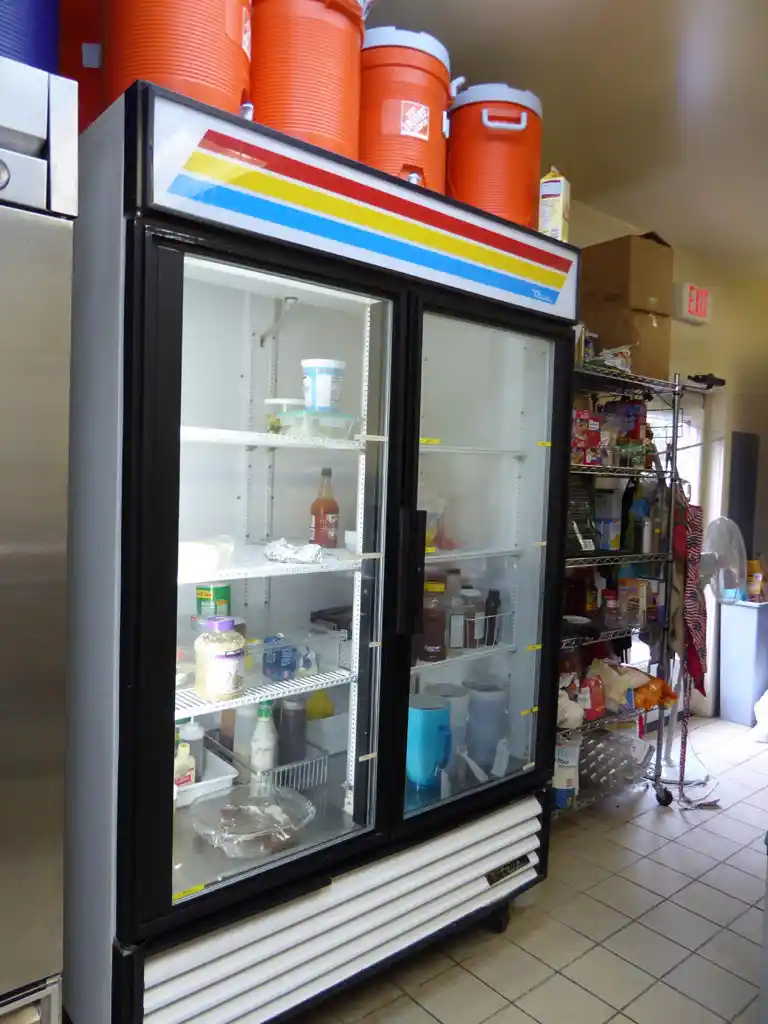
Reach-in units near the cook line also show warning signs worth watching. First, check whether the unit is struggling to maintain consistent temperature during busy service hours. Then, look for condensation on the exterior glass doors, which can indicate a failing door seal or refrigerant issue.
Additionally, pay attention to your energy bills. A sudden spike in electricity costs often means one or more units are working harder than they should. In addition, loud compressor noise or a unit that runs constantly without cycling off are both signs that service is needed.
How Northern Nevada’s Climate Affects Your Refrigeration Equipment
The climate around Stateline, Carson City, and Gardnerville creates specific challenges for commercial refrigeration. For example, summer temperatures across the region regularly climb into the high nineties. As a result, condensing units mounted outdoors work significantly harder to reject heat.
Meanwhile, during winter months, temperature swings from cold nights to warm afternoons stress refrigerant pressures and mechanical components. Furthermore, dusty conditions in parts of the region can clog condenser coils faster than in more humid climates. Because of this, regular coil cleaning and seasonal maintenance are especially important for Northern Nevada restaurants.
Businesses in communities like Minden, South Lake Tahoe, and Yerington face similar challenges. However, altitude variations across the region can also affect system performance. Therefore, working with a technician who understands local conditions is a real advantage.
Preventive Maintenance: Your Best Defense
The best way to avoid emergency walk-in cooler repair is a consistent preventive maintenance program. First, schedule regular inspections of all refrigeration equipment. Then, keep coils clean, door gaskets intact, and drain lines clear. Additionally, log temperatures daily so any drift is caught early.
Buffos Commercial Refrigeration & HVAC Services offers maintenance plans designed for busy restaurants and food service operations. Furthermore, our technicians check refrigerant levels, electrical connections, fan motors, and thermostat calibration on every visit. As a result, our clients typically experience fewer emergency breakdowns and lower energy costs over time.
Talk with an HVAC and refrigeration expert about setting up a maintenance schedule that fits your operation and budget.
Frequently Asked Questions
How do I know if my walk-in cooler needs repair or replacement?
A technician can assess the age, condition, and repair history of your unit. Generally, if repair costs approach a significant portion of replacement cost, replacement may be the smarter investment. However, many coolers can be repaired efficiently when problems are caught early.
How quickly can a technician respond to an emergency refrigeration failure?
Buffos serves restaurants throughout the Stateline, Carson City, and Gardnerville area with fast response times. Because of this regional focus, we can typically dispatch a technician quickly when emergencies arise. Contact us directly for current availability.
Can dirty condenser coils really cause a system failure?
Yes. Dirty coils force the compressor to work harder and run hotter. As a result, the system is more likely to overheat and shut down. Additionally, prolonged strain from dirty coils significantly shortens compressor life.
What temperature should my walk-in cooler maintain?
Most health codes require walk-in coolers to maintain temperatures at or below 41°F. Furthermore, maintaining consistent temperatures protects food quality and reduces spoilage. If your unit is drifting above this range, schedule an inspection immediately.
Is it safe to keep operating if I notice a warning sign?
It depends on the symptom. However, any sign of temperature instability or unusual noises warrants prompt professional attention. Additionally, operating a struggling unit often makes the underlying problem worse and more expensive to fix.
Schedule Walk-In Cooler Repair with Buffos Today
Do not wait for a complete breakdown to take action. If you notice any of the warning signs described above, your refrigeration system is telling you it needs attention. Furthermore, acting quickly protects your inventory, your staff, and your customers.
Buffos Commercial Refrigeration & HVAC Services is proud to serve restaurants and food businesses in Stateline, Carson City, Gardnerville, Minden, and across Northern Nevada. Additionally, our experienced technicians bring honest diagnostics and dependable workmanship to every job. Whether you need emergency service or a planned maintenance visit, we are ready to help.
Request a service call today and keep your restaurant running at its best.