
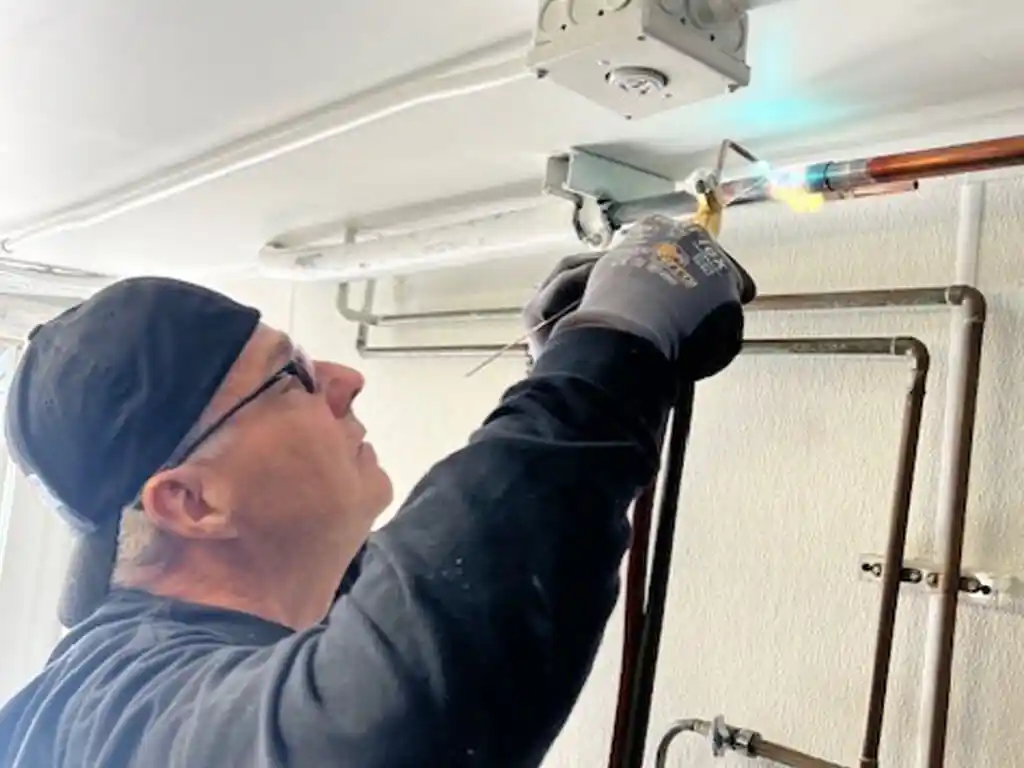
Your restaurant’s refrigeration system is one of its most critical assets. When it starts to fail, the consequences move fast — spoiled inventory, health code violations, and costly downtime. If your walk-in cooler or freezer is showing any unusual behavior, acting quickly is essential. Contact the Buffos team at the first sign of trouble to protect your food inventory and keep your kitchen running smoothly.
Virginia City, NV sits in a unique climate zone. The high desert elevation brings cold winters and warm summers that put real stress on commercial refrigeration equipment. Because of this, restaurant owners in Virginia City — and nearby communities like Carson City, Gardnerville, Dayton, and Fernley — need to stay alert to early warning signs before a small issue becomes a major breakdown.
In this post, we cover the most common warning signs that your restaurant refrigeration is failing. We also explain what those signs typically mean and when to call a professional for walk-in cooler repair.
Why Early Detection Matters for Restaurant Refrigeration
Commercial refrigeration equipment rarely fails without warning. Most systems give clear signals that something is wrong before a complete breakdown occurs. However, those signals are easy to overlook during a busy service rush.
Catching a problem early can mean the difference between a simple repair and a full equipment replacement. Additionally, early repairs protect your food inventory, your staff, and your customers from health risks related to improper food storage temperatures.
For restaurants in Virginia City and across the Northern Nevada region, reliable refrigeration is not optional — it is essential to daily operations.
Top Warning Signs Your Walk-In Cooler Is Failing
The following signs are among the most common indicators that your walk-in cooler or freezer needs professional attention. Take each one seriously, even if the system appears to be running.
1. Temperature Fluctuations Inside the Unit
Your walk-in cooler should maintain a consistent, safe temperature at all times. If you notice temperatures rising and falling without explanation, that is a clear red flag. Temperature swings can result from a failing compressor, a refrigerant leak, a dirty condenser coil, or a faulty thermostat.
Moreover, inconsistent temperatures put food safety at risk. Perishable items stored in an unstable environment may spoil faster than expected, often without obvious visible signs.
2. Excessive Ice or Frost Buildup
Some frost inside a walk-in freezer is normal. However, heavy ice buildup on coils, walls, or around the door frame is not. This often points to a defrost system failure or a door seal problem.
As a result, airflow becomes restricted and the unit works harder to maintain temperature. This increases energy consumption and accelerates wear on the compressor and other components.
3. Unusual Noises Coming from the Unit
Commercial refrigeration equipment operates with a steady, familiar hum. Therefore, any new or unusual sound — such as rattling, banging, hissing, or clicking — should raise immediate concern. These noises can indicate loose components, a failing fan motor, or refrigerant escaping through a leak.
Do not ignore these sounds. In many cases, catching a mechanical issue early saves significant time and money compared to waiting for a full failure.
4. Water Pooling Around or Inside the Unit
Water on the floor near your walk-in cooler or inside the unit is another warning sign. This can result from a clogged drain line, a failing door gasket, or excess condensation caused by a refrigerant issue.
Furthermore, water pooling creates slip hazards for your kitchen staff. It can also lead to mold growth inside the cooler, which creates serious food safety concerns.
5. The Unit Runs Constantly Without Reaching Temperature
A healthy refrigeration system cycles on and off throughout the day. If your walk-in cooler runs continuously but never reaches its target temperature, the system is working harder than it should. This is often a sign of low refrigerant, a dirty condenser, or a failing compressor.
Because of this, your energy bills may spike noticeably. Additionally, the constant strain shortens the lifespan of your equipment significantly.
6. Visible Damage to Door Gaskets or Seals
The door gasket — the rubber seal around the walk-in door — plays a major role in keeping cold air inside. When gaskets crack, tear, or become compressed, warm air enters the unit and forces the system to work overtime.
Inspect your door seals regularly. A simple gasket replacement is one of the most cost-effective walk-in cooler repairs available. However, many operators overlook this small component until larger problems develop.
7. Warm Spots or Uneven Cooling
If certain areas of your walk-in cooler feel warmer than others, your evaporator fan may not be distributing cold air evenly. Alternatively, blocked airflow from overcrowded shelving or a failing fan motor can cause this issue.
Next, check that shelving is not blocking air vents inside the unit. If repositioning product does not solve the problem, schedule a professional inspection right away.
Signs Your Walk-In Freezer Specifically Needs Attention
Walk-in freezers face additional stress compared to coolers because they operate at much lower temperatures. Therefore, certain warning signs are unique to freezer units.
Soft or Partially Thawed Inventory
Finding partially thawed product in your freezer is an immediate red flag. First, remove any potentially compromised food and document the loss. Then, call a refrigeration technician as soon as possible to diagnose the root cause.
This issue can stem from a compressor failure, refrigerant leak, or a defrost system that has stopped working properly. In any case, do not delay.
Ice on the Exterior of the Unit
Ice forming on the outside walls or around the door frame of a walk-in freezer often points to a failing door seal or excessive humidity entering the unit. Over time, this can cause structural damage to the insulated panels themselves.
Additionally, exterior ice can make the area around the unit hazardous for employees. Addressing this promptly is both a safety and an equipment concern.
How Virginia City’s Climate Affects Commercial Refrigeration
Virginia City sits at a high elevation in the Virginia Range east of Carson City. The climate here brings cold, dry winters and warm summers. These extremes place unique demands on commercial refrigeration systems.
During summer, high ambient temperatures force condensers to work harder to reject heat. On the other hand, cold winters can cause refrigerant pressures to drop and affect system performance in different ways. Furthermore, dusty, high-desert air can clog condenser coils faster than in more temperate environments.
Restaurants and businesses in Virginia City, Dayton, Moundhouse, and Gardnerville all face similar climate-related refrigeration challenges. Preventive maintenance is the most reliable way to manage these conditions and extend equipment life.
What to Do When You Notice a Warning Sign
When you spot any of the warning signs listed above, follow these steps to protect your business and your inventory.
- Check and record temperatures immediately. Use a calibrated thermometer to document the current temperature inside the unit.
- Inspect door seals and gaskets visually. Look for cracks, tears, or gaps around the door frame.
- Clear any obstructions from air vents. Make sure product is not blocking airflow inside the cooler or freezer.
- Note any unusual sounds, smells, or moisture. This information helps a technician diagnose the issue faster.
- Call a qualified commercial refrigeration technician. Do not attempt to repair refrigerant leaks or compressor issues yourself.
Acting on these steps quickly reduces the risk of full equipment failure and limits potential food loss. Moreover, it gives your technician the information needed to perform an accurate diagnosis.
The Value of Preventive Maintenance for Restaurant Refrigeration
Many walk-in cooler and freezer failures are preventable. Regular preventive maintenance keeps your equipment running efficiently and catches small issues before they become expensive emergencies.
A routine maintenance visit typically includes cleaning condenser coils, checking refrigerant levels, inspecting door gaskets, testing electrical components, and evaluating overall system performance. Because of this, many Northern Nevada restaurant operators find that a maintenance agreement pays for itself quickly in reduced repair costs and lower energy bills.
Businesses in Carson City, Gardnerville, and surrounding communities that invest in preventive maintenance tend to experience fewer emergency breakdowns. Additionally, well-maintained equipment tends to last significantly longer than neglected systems.
Frequently Asked Questions About Walk-In Cooler Repair
How do I know if my walk-in cooler needs refrigerant?
Common signs include the unit running constantly without reaching temperature, warm air inside the cooler, or hissing sounds near the refrigerant lines. However, only a certified technician can safely check refrigerant levels and identify leaks. Schedule a professional inspection if you suspect a refrigerant issue.
How long does a typical walk-in cooler repair take?
Repair time depends on the type of problem and parts availability. Many common repairs — such as replacing a door gasket, fan motor, or thermostat — can be completed within a few hours. More complex issues like compressor replacement may take longer. A technician can give you a more accurate estimate after diagnosing the problem.
Can I use my walk-in cooler if it is not reaching the right temperature?
It depends on how far off the temperature is. Food safety regulations require specific temperature ranges for perishable storage. If your unit is not maintaining safe temperatures, you should relocate product immediately and call for emergency service. Do not risk food safety violations or inventory loss by waiting.
How often should walk-in coolers and freezers be serviced?
Most commercial refrigeration professionals recommend a preventive maintenance visit at least twice per year. However, high-use units in busy restaurant environments may benefit from quarterly service. Regular maintenance extends equipment life and reduces the likelihood of unexpected failures.
What causes walk-in cooler door gaskets to fail?
Gaskets deteriorate over time due to normal wear, frequent door use, temperature cycling, and cleaning chemicals. Additionally, doors that are not properly aligned put extra stress on the gasket. Inspecting gaskets monthly and replacing them at the first sign of damage is a simple way to avoid larger problems.
Trust Buffos for Walk-In Cooler Repair in Northern Nevada
At Buffos Commercial Refrigeration & HVAC Services, we understand how much your restaurant depends on reliable refrigeration. Our experienced technicians serve Virginia City, Carson City, Gardnerville, and surrounding Northern Nevada communities with fast, professional service.
We handle everything from emergency walk-in cooler repair to planned preventive maintenance programs. Our team diagnoses problems accurately, communicates clearly, and performs lasting repairs that protect your inventory and your bottom line.
Do not wait until a failing cooler becomes a full breakdown. Request a service call today and let the Buffos team keep your restaurant refrigeration running at its best.